



















What to Wear in a Sauna: A UK Guide
If you have recently purchased a home sauna, booked your first visit to a spa, or are simply trying to figure out what to pack for a sauna session, one of the first questions you will ask is: What exactly should I wear?
It is a surprisingly common source of confusion, particularly in the UK, where sauna culture is still growing, and the etiquette around clothing is not always clearly communicated. Unlike in Finland, where sauna bathing has centuries of tradition behind it, the UK approach to sauna attire tends to be more modest, and there is genuinely no single universal answer. What you wear depends on where you are bathing, who you are with, and what kind of sauna you are using.
In this guide, Finnmark Sauna walks you through everything you need to know about what to wear in a sauna in the UK; from the best fabrics and garments to the accessories that genuinely improve your experience. Whether you are using a barrel sauna in your garden, a modular indoor sauna cabin, or visiting a public spa facility, this guide has you covered.
The Golden Rule: Keep It Simple and Natural
Before getting into specifics, the overarching principle when it comes to sauna clothing is this: less is more, and natural is always better. Your body needs to be able to sweat freely and regulate its temperature effectively. Thick, synthetic, or restrictive clothing interferes with both of those processes, reducing the physiological benefit of the session and making the experience far less comfortable.
The ideal sauna outfit allows your skin to breathe, stays comfortable when saturated with sweat, does not trap heat in harmful ways, and does not release chemicals or dyes when exposed to high temperatures. We will come back to materials in detail shortly; but that principle should guide every choice you make.

What to Wear in a Sauna in the UK: The Norm
In the UK, the overwhelming social norm in public saunas, hotel spas, and gym facilities is to wear either a swimsuit or a towel. Nudity is not standard practice in mixed-gender public sauna settings in Britain, and in most facilities it is explicitly prohibited by the venue's own rules. This is quite different from traditional Finnish sauna culture, where bathing without clothing is considered the most natural and hygienic approach; however, in a UK context, swimwear or a wrapped towel is entirely appropriate, widely accepted, and perfectly comfortable for a genuine sauna experience.
In private settings, such as a home sauna shared with family or close friends, you have considerably more flexibility. Many home sauna users in the UK choose to wear as little as feels comfortable, as this is genuinely the most effective way to experience the full benefits of the heat. Whatever you choose in a private setting is entirely your own decision.

Public Sauna Etiquette in the UK
If you are using a sauna at a gym, hotel, or spa, always check the facility's specific rules before your visit. Most UK venues will specify one of the following:
- Swimwear is required at all times.
- Towels must be sat upon for hygiene reasons.
- Separate male and female facilities where differing rules may apply.
- No street clothing permitted inside the sauna.
When in doubt, a swimsuit and a clean towel will never be wrong in any UK public sauna environment.
The Best Options for What to Wear in a Sauna
A Towel
A large, absorbent towel is the most versatile and practical choice for sauna use, both in public facilities and at home. A towel serves a dual purpose: it can be wrapped around the body for modesty and comfort, and it should always be placed between your body and the sauna bench for hygiene reasons.
Sitting directly on a wooden sauna bench without a towel is considered poor sauna etiquette in most settings, as it leaves sweat on the bench surface for the next person. A towel beneath you is both courteous and hygienic.
For home sauna users, investing in dedicated sauna towels is well worth considering. Purpose-made sauna towels tend to be larger and more absorbent than standard bath towels, designed specifically to handle the volume of perspiration produced during a proper session. Look for towels made from 100% cotton or linen, both of which are excellent at absorbing moisture and remain comfortable at high temperatures.
Swimwear
A swimsuit or swim shorts are the go-to choice for most UK sauna users, particularly in public or semi-public settings. They are practical, widely accepted, and easy to manage when moving between a sauna and a cold plunge, shower, or pool.
When choosing swimwear for sauna use, the material matters considerably. Here is what to look for and what to avoid:
Best Swimwear Materials for Sauna Use
- Cotton: The most sauna-friendly swimwear material. Cotton breathes well, absorbs sweat naturally, and does not release harmful chemicals when heated. A simple cotton swimsuit or cotton swim shorts are ideal for regular sauna use.
- Linen: Lightweight, breathable, and highly absorbent; linen is an excellent natural fibre for sauna environments. It dries quickly and remains cool against the skin even in high heat.
- Merino wool: Surprisingly effective in sauna environments; merino wool is naturally temperature-regulating and moisture-wicking. It is less common as swimwear but worth considering for those who prioritise natural materials.

Swimwear Materials to Avoid
- Polyester and nylon: The most common swimwear materials in high-street retailers, and unfortunately among the worst choices for sauna use. Synthetic fabrics do not breathe effectively, trap heat uncomfortably, and can release microplastics or chemical residues when exposed to sustained high temperatures [1].
- Spandex and elastane blends: While excellent for pool swimming, elastane-heavy fabrics can feel suffocating in a dry sauna environment and may degrade faster under repeated heat exposure.
- Padded or underwired swimwear: Metal underwiring and foam padding in swimwear become extremely uncomfortable in sauna temperatures. Underwires conduct heat directly against the skin, and foam padding retains moisture unpleasantly. Opt for unpadded, unstructured styles for sauna sessions.
Sauna Wraps and Sarongs
A cotton or linen wrap, sometimes called a sauna wrap or kilt, is a popular option that sits somewhere between a towel and a garment. Worn similarly to a towel but fastened more securely, a sauna wrap offers good coverage and freedom of movement without the bulk of a full swimsuit. They are particularly popular in Nordic spa environments and are an excellent choice for those who find a loose towel impractical.
Loose Cotton Shorts and a T-Shirt
For private home sauna use, many people simply opt for loose, lightweight cotton shorts and a cotton t-shirt. This is perfectly fine, provided the garments are 100% natural fibre and loose-fitting enough to allow free airflow. Avoid tight waistbands, seams, or any embellishments such as zips or metal buttons, all of which become uncomfortably hot at sauna temperatures.
Do bear in mind that cotton clothing will become heavily saturated with sweat during a sauna session. Many home sauna users find this less comfortable than a simple towel or wrap, but it is a completely valid choice for those who prefer more coverage.
What Not to Wear in a Sauna
Knowing what to avoid is just as important as knowing what to wear. Some clothing choices are simply uncomfortable in a sauna environment; others can be actively harmful.
Jewellery and Metal Accessories
Remove all jewellery before entering a sauna. Metal conducts heat extremely efficiently; rings, necklaces, earrings, bracelets, and watches will all heat up rapidly and can cause burns against the skin. This applies to piercings, too. Even small metal studs can become uncomfortably, and potentially dangerously, hot during a prolonged sauna session.
Street Clothing and Denim
Never wear everyday street clothing in a sauna. Denim, wool jumpers, hoodies, leggings, and similar items are far too thick and are typically made from mixed fibres that do not respond well to intense heat. Beyond the discomfort, heavy clothing severely restricts the body's ability to thermoregulate effectively, reducing the benefit of the session.
Synthetic Sportswear
It might seem intuitive to head straight into the sauna after a workout in your gym kit; however, synthetic sportswear, including polyester leggings, nylon running shorts, and elastane base layers, is poorly suited to sauna temperatures. These materials trap heat, do not absorb sweat effectively, and can release chemical compounds when exposed to sustained high heat [1]. If you plan to use the sauna post-workout, change out of your gym kit first.
Anything with Zips, Buckles, or Metal Fastenings
As with jewellery, any metal fastening on clothing becomes a burn risk in a sauna. Check your swimwear and wraps for metal clasps or zips before entering.
Heavy Perfume or Skin Products
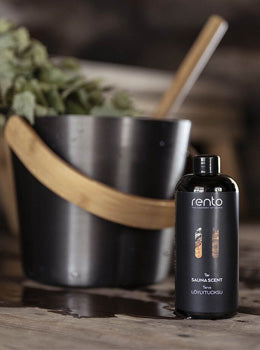
While not clothing, it is worth noting here that heavily scented perfumes, body sprays, and thick creams should not be applied before a sauna session. In a confined, heated space, strong fragrances become overwhelming for other users, and many skin products can react unpredictably with intense heat. If you want to enhance the aromatic experience of your sauna, our range of sauna scents and essential oils are specifically formulated for safe use in sauna environments.
Sauna Accessories That Are Worth Wearing
Beyond the basics of what to wear on your body, there are a handful of sauna-specific accessories that meaningfully improve the experience. These are widely used across Scandinavia and are becoming increasingly popular among UK sauna enthusiasts.
The Sauna Hat
A sauna hat is one of the most practical and underrated sauna accessories available, and it is increasingly common in UK home saunas and spa environments. Made from thick wool felt, a sauna hat insulates the head and protects the scalp and ears from the most intense heat in the upper part of the sauna, where temperatures are highest.
Because heat rises, the air at ceiling height in a sauna can be significantly hotter than at bench level; a sauna hat allows you to sit comfortably on the upper bench, where the heat is most intense, for longer periods without discomfort or the feeling of overheating through the head.
Sauna hats are also genuinely useful for people with dyed or treated hair, as they provide a degree of protection against the drying effect of sustained dry heat. Browse our full range of sauna hats to find the right style for your sessions.

Sauna Sandals or Flip Flops
In public sauna environments, wearing flip flops or sandals between the changing room, the sauna, and any shower or pool area is a simple hygiene measure. They are not typically worn inside the sauna itself, as wooden flooring in a well-built sauna is clean and safe to walk on barefoot; however, they are sensible footwear for the surrounding wet areas.
A Dedicated Sauna Headrest or Pillow
For home sauna users particularly, a sauna headrest or pillow is a small addition that makes a significant difference to comfort during longer sessions. Made from wood or natural materials, sauna headrests allow you to lie back on the bench without your head resting directly on the timber, improving posture and relaxation.

A Sauna Seat Cover or Cushion
A sauna seat cover placed on the bench beneath you serves both a hygiene purpose and a comfort function. Particularly useful in public settings, they also help protect wooden bench surfaces from sweat over time, extending the life of your sauna bench timber.
What to Wear in a Sauna for Specific Situations
What to Wear in a Home Sauna
In your own home sauna, you have complete freedom to choose whatever you find most comfortable. Most home sauna users in the UK opt for a lightweight cotton towel or wrap, particularly for solo or family sessions. If you are hosting guests, swimwear is the most inclusive and comfortable choice for everyone.
If you are considering adding a sauna to your home and want guidance on which type suits your space, our home sauna buying guide covers everything from indoor cabin options to garden installations in detail.
What to Wear in a Gym or Hotel Sauna
For public gym and hotel saunas, a swimsuit and a clean towel are the standard expectations across virtually all UK facilities. Always bring a separate towel to sit on, as most venues require this for hygiene. Some premium spa environments provide towels or wraps as part of the experience; check with the facility in advance.
What to Wear in a Sauna After a Workout
If you plan to use a sauna as part of your post-exercise recovery routine, the evidence strongly supports doing so; particularly for muscle recovery, growth hormone response, and endurance adaptation. For a full breakdown of the science, read our guide on using a sauna before or after a workout.
In terms of what to wear: change out of your synthetic gym kit before entering. A cotton towel or clean cotton shorts are the best choices post-workout, as your skin needs to be able to sweat freely and your clothing needs to manage a significant volume of perspiration comfortably.
What to Wear in a Sauna When Pregnant
Sauna use during pregnancy is a topic that requires medical guidance on a case-by-case basis, and the information in this article does not constitute advice for pregnant women. We would always recommend consulting your midwife or GP before using a sauna during pregnancy, regardless of trimester. Please refer to our disclaimer below.
What to Wear in an Outdoor Sauna in Winter
Using an outdoor sauna during winter is one of the most invigorating experiences available, and it is particularly popular among users of our outdoor sauna cabins and barrel saunas. For the journey between your home and the sauna, wear a warm robe or coat over your sauna attire. Inside the sauna itself, the same principles apply as at any other time of year: a cotton towel or swimwear is ideal. The contrast of emerging into cold winter air wearing minimal clothing is very much part of the experience, particularly if you are incorporating a cold plunge into your routine.
Does What You Wear Affect the Sauna Experience?
Yes, genuinely and meaningfully. The clothing you choose in a sauna has a direct effect on how effectively you can thermoregulate, how comfortable the session feels, and how much benefit you derive from the heat exposure.
Research into heat stress physiology consistently shows that the body's ability to cool itself through sweating is the primary mechanism by which sauna bathing produces its health benefits, including cardiovascular conditioning, the release of heat shock proteins, and the stimulation of growth hormone [2]. Clothing that restricts sweat evaporation from the skin surface, such as thick or synthetic garments, effectively works against this mechanism.
A 2018 review published in Mayo Clinic Proceedings, examining the physiological effects of Finnish sauna bathing, noted that the skin surface plays a critical role in heat exchange during sauna exposure, reinforcing the importance of allowing as much skin surface as is practical and comfortable to be exposed to the sauna environment [3].
In short: the less restrictive your clothing, the more effectively your body can respond to the heat, and the more you benefit from the session.

How to Care for Your Sauna Clothing and Accessories
Given the volume of sweat that sauna clothing absorbs, proper care is important both for hygiene and longevity.
- Wash sauna towels, wraps, and swimwear after every session without exception.
- Use a gentle, fragrance-free detergent; heavy fabric softeners can reduce the absorbency of cotton and linen over time.
- Allow sauna hats to air-dry naturally after each use; do not machine wash wool felt sauna hats unless the manufacturer specifies this is safe.
- Rotate between two or three sets of sauna towels so each has time to fully dry between sessions; damp towels left in a warm sauna environment can harbour bacteria.
- Clean your sauna bench surfaces regularly; our guide on how to clean sauna wood covers the best products and techniques for maintaining timber in excellent condition.
Building Your Sauna Accessories Collection
If you have recently purchased a home sauna, or are in the process of planning one, building a small collection of dedicated sauna accessories makes every session more comfortable and more enjoyable. A well-equipped home sauna setup typically includes:
- Two to three large sauna towels for rotating use.
- A sauna hat for upper-bench comfort and scalp protection.
- A wooden sauna headrest for relaxed lying positions on the bench.
- A bench cover or seat pad for hygiene and comfort.
- A selection of sauna scents and essential oils to enhance the löyly experience when pouring water over your sauna heater.
If you are still at the planning stage and want to understand the full cost of setting up a home sauna, our UK sauna cost guide breaks down every element from the cabin to the heater and accessories.
Frequently Asked Questions
What should you wear in a sauna in the UK?
In UK public settings such as gyms, hotels, and spas, a swimsuit and a clean towel is the standard expectations. In private home saunas, a lightweight cotton towel or wrap is the most comfortable and practical choice. Nudity is not the norm in UK public sauna environments, though in private settings it is entirely a personal decision.
Can you wear a swimsuit in a sauna?
Yes; a swimsuit is one of the most practical and widely accepted options for sauna use in the UK. Choose a style made from natural fibres such as cotton where possible, and avoid padded, underwired, or heavily elastane-based swimwear, which can become uncomfortable at sauna temperatures.
Is it better to wear a towel or swimsuit in a sauna?
Both are suitable; the choice comes down to personal preference and the context. A towel offers more flexibility and is the closest to traditional Finnish sauna practice, while a swimsuit is more practical in public settings and when moving between facilities. Whatever you choose, always place a towel beneath you on the bench for hygiene.
Do you have to be naked in a sauna?
Not in the UK. Nudity is not expected or standard practice in British public sauna environments, and most UK facilities explicitly require swimwear. In traditional Finnish sauna culture, bathing without clothing is the norm; however, in a UK context, swimwear or a towel is entirely appropriate and respectful of the local convention.
What should you not wear in a sauna?
Avoid jewellery and metal accessories, synthetic fabrics such as polyester and nylon, underwired or padded swimwear, tight gym clothing, heavy street clothing, and anything with metal zips or fastenings. All of these either become uncomfortably hot, restrict the body's ability to thermoregulate, or can release unwanted compounds under sustained heat.
What is a sauna hat and do I need one?
A sauna hat is a thick wool felt hat worn during a sauna session to insulate the head and protect the scalp and ears from intense heat, particularly on the upper bench where temperatures are highest. It is not essential, but it is genuinely useful; particularly for those who find the heat at head level uncomfortable, or for those with coloured or treated hair. Browse our range of sauna hats to find the right style.
Can you wear glasses in a sauna?
It is advisable to remove glasses before entering a sauna. Metal frames conduct heat and can become uncomfortable or hot against the skin; plastic frames can warp under sustained high temperatures. If you wear contact lenses, the dry heat of a sauna can cause lenses to dry out and become uncomfortable, so many regular sauna users prefer to remove lenses before a session.
What should I sit on in a sauna?
Always sit or lie on a clean towel or a dedicated sauna bench cover rather than directly on the wooden bench surface. This is both a hygiene consideration and a comfort one, as the timber bench surface can become very warm during a session. In all public sauna environments in the UK, using a towel or cover beneath you is standard etiquette.
What is the best material for sauna clothing?
Natural fibres are always the best choice for sauna environments. Cotton is the most widely available and practical option, offering good breathability and moisture absorption at an accessible price point. Linen is an excellent alternative, particularly in warmer sessions, as it is lighter and dries quickly. Merino wool is a premium natural option with excellent temperature-regulating properties. Avoid polyester, nylon, and elastane-heavy blends wherever possible.
Scientific References
The following sources were used to inform the content of this article:
[1] Campanale, C. et al. (2020). "A detailed review study on potential effects of microplastics and additives of concern on human health." International Journal of Environmental Research and Public Health, 17(4), 1212. https://doi.org/10.3390/ijerph17041212
[2] Kregel, K.C. (2002). "Heat shock proteins: modifying factors in physiological stress responses and acquired thermotolerance." Journal of Applied Physiology, 92(5), 2177–2186. https://doi.org/10.1152/japplphysiol.01267.2001
[3] Laukkanen, J.A. et al. (2018). "Cardiovascular and other health benefits of sauna bathing: a review of the evidence." Mayo Clinic Proceedings, 93(8), 1111–1121. https://doi.org/10.1016/j.mayocp.2018.04.008
Disclaimer
The information provided in this article is intended for general educational and informational purposes only. Finnmark Sauna has made every effort to ensure the accuracy of the content referenced herein; however, individual responses to sauna use vary significantly depending on personal health, fitness level, age, medical history, and individual circumstance. This article does not constitute medical advice. Always consult a qualified healthcare professional or physician before beginning any new wellness regime, particularly if you have an underlying health condition, are pregnant, or are currently taking medication. Finnmark Sauna cannot be held liable for any adverse outcomes arising from the use of information contained within this article.


