















A Beginner's Guide to Traditional Saunas
For over two millennia, the traditional Finnish sauna has been a cornerstone of wellness culture across Finland and the wider Nordic world. What was once an ancient ritual of cleansing, community, and restoration has now become one of the fastest-growing wellness practices in the UK, and for good reason. A growing body of peer-reviewed research confirms what generations of Finns have always known: regular sauna bathing delivers profound benefits for the body and mind.
Whether you are stepping into a sauna for the very first time or considering investing in a home sauna of your own, this beginner's guide covers everything you need to know. From what makes a traditional Finnish sauna unique and how to prepare for your first session, to the health benefits, the etiquette, and how to build a sustainable routine, consider this your complete introduction to one of the world's most enduring wellness traditions.
What Is a Traditional Finnish Sauna?
What Makes It Different from Other Heat Rooms
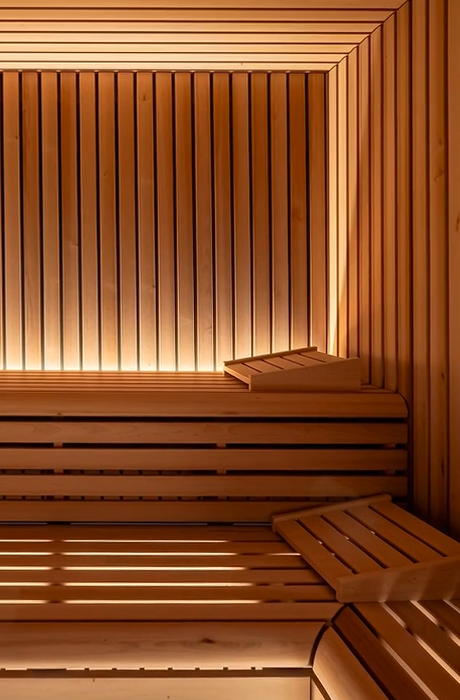
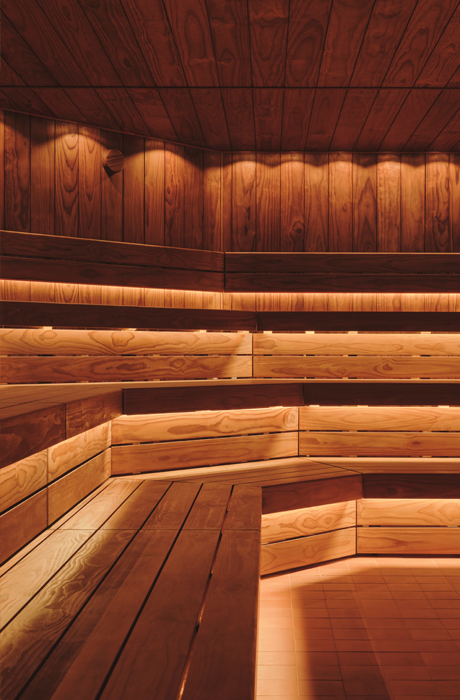
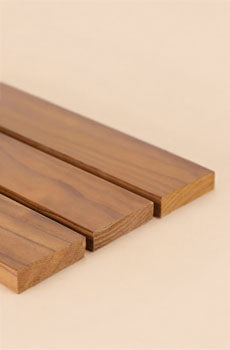
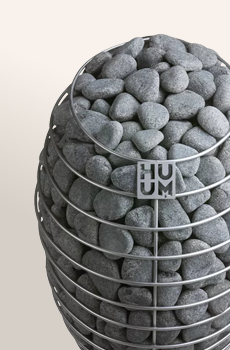
The term "sauna" is used loosely in the UK, applied to everything from dry heat cabinets in leisure centres to infrared cabins and steam rooms. A traditional Finnish sauna is something quite distinct. It is a wood-lined room, typically constructed from untreated Nordic timber such as alder, aspen, or spruce (you can explore the full range of species in our sauna timber collection), heated by either an electric sauna heater or a wood-burning sauna stove. The heater is loaded with high-quality sauna stones that absorb and radiate heat throughout the space.
What truly distinguishes a traditional Finnish sauna from other heat experiences is löyly (pronounced "lur-lu"), the burst of soft, humid steam created when water is poured over the hot stones. This simple act is at the very heart of authentic sauna bathing, allowing the bather to control both the temperature and humidity of their environment in real time. Each ladle of water over the stones sends a wave of heat rising through the room, intensifying the sensation and deepening the sweat.
The History and Cultural Significance of the Finnish Sauna
The word "sauna" is one of the very few Finnish words to have entered common usage in the English language, and its presence speaks to the outsized role the sauna has played in Finnish life. Archaeological evidence suggests sauna bathing in Finland dates back at least two thousand years, with early saunas taking the form of earth pits heated with rocks. Over centuries, the sauna evolved into the wooden structures we recognise today, first heated by smoke (the original savusauna, or smoke sauna), later by wood-burning stoves with chimneys, and more recently by electric heaters for convenience.
Historically, the Finnish sauna was far more than a bathing room. It served as a place of birth and death, healing and social gathering, spiritual reflection and practical hygiene. In rural Finland, the family sauna was often the first building constructed on new land. Today, with approximately 3.2 million saunas serving a population of just 5.5 million people, saunas remain woven into the everyday fabric of Finnish life. In 2020, Finnish sauna culture was inscribed on the UNESCO Representative List of Intangible Cultural Heritage of Humanity, recognising its significance not only as a practice but as a living cultural tradition.
Traditional Sauna versus Smoke Sauna
For those who want to understand the full spectrum of the traditional sauna experience, it is worth knowing that the smoke sauna, or savusauna, is considered by many Finns to represent the purest form of sauna bathing. A smoke sauna has no chimney; instead, the room is heated for many hours by burning wood directly inside, filling the space with smoke. Once the desired temperature is reached, the room is ventilated, and bathers enter a space that has been softened and permeated by the smoke, producing an intensely gentle, velvety heat. Smoke saunas are now rare even in Finland, but their reputation among sauna purists remains unmatched.
For most home sauna owners in the UK, a wood-burning or electric sauna represents the practical and accessible route to an authentic experience, and both can deliver the genuine Finnish sauna sensation when properly set up and used. If you are weighing up the two options, our electric vs wood-burning sauna heater guide covers the differences in detail, from running costs and installation requirements to the experience each provides.
The Health Benefits of Traditional Sauna Bathing
Cardiovascular Health
One of the most extensively researched areas of sauna science concerns cardiovascular health. A landmark longitudinal study conducted in Finland by Laukkanen et al. (2015) followed over 2,000 middle-aged men for more than 20 years and found that those who used a sauna four to seven times per week had a 50% lower risk of fatal cardiovascular disease compared to those who used it only once per week. Regular sauna bathing raises the heart rate to levels comparable to moderate aerobic exercise, stimulating circulation and improving vascular function over time. You can explore the full evidence in our sauna health benefits academic review.

Muscle Recovery and Physical Performance
The deep, penetrating heat of a traditional sauna increases blood flow to muscle tissue, reduces inflammation, and accelerates the removal of metabolic waste products that accumulate during exercise. For those who train regularly, an evening sauna session after a workout can meaningfully support recovery and reduce delayed onset muscle soreness. Research has also shown that post-exercise sauna bathing, when performed consistently over several weeks, can increase plasma blood volume and improve endurance performance, making it a genuinely useful tool for athletes and active individuals alike. For practical information on the cost of running a home sauna regularly, see our guide on how much it costs to run an electric sauna heater.
Stress Reduction and Mental Wellbeing
Sauna heat stimulates the release of endorphins and serotonin, the body's natural mood-regulating and feel-good hormones. It also reduces elevated cortisol levels, which are associated with chronic stress and its wide-ranging downstream effects on health. A global sauna survey published in Complementary Therapies in Medicine (Hussain, Greaves and Cohen, 2019) surveyed over 3,600 sauna users worldwide and found that stress relief and relaxation ranked among the primary reasons people used saunas regularly, with the vast majority reporting significant improvements in overall wellbeing.

Better Sleep
Regular sauna use supports deeper, more restorative sleep through the core temperature drop mechanism: as your body cools after a session, the brain interprets this as a signal to produce melatonin, the hormone that governs the sleep-wake cycle. Research suggests that sauna bathing approximately ninety minutes to two hours before bed can accelerate sleep onset and increase time spent in deep sleep stages. For a deeper exploration of this topic, read our dedicated article on sauna and sleep.
Skin Health
The deep sweating induced by traditional sauna bathing helps to cleanse pores and remove impurities from the skin's surface. Increased circulation delivers oxygen and nutrients to the skin, promoting cellular renewal and a natural, healthy complexion. Some research has also indicated potential benefits for skin conditions such as psoriasis with regular sauna use, though this should always be discussed with a healthcare professional.
Immune Function
Regular heat exposure is thought to stimulate the production of white blood cells and may contribute to a more robust immune response over time. Some research suggests that sauna users experience fewer and less severe common illnesses than non-users, though this remains an area of ongoing investigation.
How to Prepare for Your First Sauna Session
What to Bring
Going into your first sauna session well-prepared makes the experience far more comfortable and enjoyable. The essentials are straightforward: at minimum, bring two towels, one to sit or lie on inside the sauna, which is essential for both hygiene and protecting the wooden bench, and one for drying off afterwards. A sauna bucket and ladle should be filled and placed beside the heater so you can create löyly at will.
Many experienced sauna bathers also bring a sauna hat to protect the head and ears from the most intense heat at upper bench level, which can feel uncomfortable during longer sessions. A bottle of water is essential for staying hydrated during your cool-down periods between rounds. Remove all jewellery, watches, and electronic devices before entering; metal heats rapidly and can cause burns, while heat and humidity will damage phones, fitness trackers, and smartwatches.
What to Wear
In Finland, traditional sauna bathing is done without clothing, a custom rooted in practicality, hygiene, and a deeply ingrained cultural respect for the sauna as a natural, egalitarian space. Nudity in the Finnish sauna carries no social connotation; families sauna together, and the tradition has been unbroken for generations.
In the UK, customs vary depending on the setting. In public spas and leisure facilities, swimwear or a towel wrap is standard practice. If you have your own home sauna, the choice is entirely yours. If you prefer to wear something, opt for loose, breathable cotton rather than synthetic fabrics, which trap heat against the skin uncomfortably at sauna temperatures.
Hydration and Timing
Hydrate well before your session, drinking at least 500ml of water in the thirty to sixty minutes beforehand. You will lose a significant volume of fluid through sweating, and starting a session dehydrated is both uncomfortable and inadvisable. Avoid heavy meals in the two to three hours before your session, as the combination of digestion and intense heat can cause discomfort. Light, easily digestible food is fine.
If you have any underlying health conditions, particularly cardiovascular conditions, are pregnant, or are currently taking medication, consult your GP before beginning a sauna routine.

Your First Sauna Session: What to Expect
Temperature and Bench Position
A traditional Finnish sauna typically operates between 70°C and 100°C, with most regular bathers preferring the 80°C to 90°C range. For your first session, start at the lower end of this spectrum and on a lower bench, where the temperature is noticeably cooler. Heat rises sharply in a sauna, meaning the difference between the lower and upper bench can be fifteen degrees or more. Work your way up gradually over multiple sessions as your heat tolerance develops.
A sauna thermometer and hygrometer is a worthwhile addition to any home sauna, allowing you to monitor temperature and humidity and create the most comfortable environment from session to session.

How Long to Stay In
For beginners, five to ten minutes per round is the right starting point. Do not be tempted to push through discomfort; the goal of a traditional sauna session is not endurance, it is enjoyment, relaxation, and the gradual accumulation of health benefits over many sessions. As your heat tolerance develops over weeks and months, you can extend rounds to fifteen or twenty minutes, sometimes with brief pauses to add löyly and allow the heat to settle before continuing.
Experienced sauna bathers often spend twenty to thirty minutes per round, though most Finnish traditions favour multiple shorter rounds rather than a single extended session.
Creating Löyly
When you are ready to pour water over the stones, use the ladle to add water gradually rather than all at once. Two to four ladles at a time is a reasonable approach, allowing the steam to rise and the heat to intensify naturally. After each addition, sit quietly and breathe steadily, letting the wave of heat move through the room. The sensation should be invigorating rather than overwhelming. If you are sharing the sauna with others, always ask before adding steam, as preferences vary.
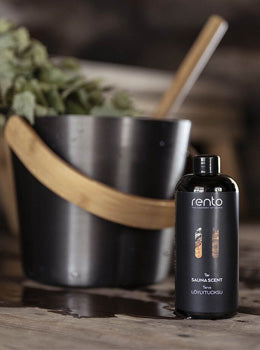
Pairing your löyly water with sauna scents and essential oils can deepen the sensory experience significantly. Traditional Finnish choices include birch, pine, and tar; eucalyptus is also widely popular for its calming, respiratory-supporting qualities.

The Cool-Down: An Essential Part of the Ritual
After your first round in the heat, step outside or take a cool shower. This cooling phase is not optional; it is an integral part of the authentic sauna experience and the point at which many of the most significant health benefits occur, through the contrast between heat and cold. In Finland, this traditionally means a plunge into a lake or a roll in the snow, but for most UK sauna owners, a cool shower or simply sitting quietly in the fresh air achieves the same physiological effect.
Rest for five to ten minutes, drink some water, and allow your heart rate to settle before returning to the sauna for your next round. After your session is complete, leave the door ajar to allow the room to ventilate and dry thoroughly. For guidance on keeping your sauna in excellent condition between sessions, our complete sauna cleaning and maintenance guide covers everything from daily wipe-downs to annual deep cleaning.
The Traditional Sauna Routine: Heat, Cool, Rest, Repeat
The authentic Finnish sauna experience is cyclical rather than linear. Rather than a single continuous session, traditional sauna bathing involves two to four rounds of heat, each followed by a cool-down and a period of rest. This rhythm of contrasts, between intense heat and refreshing cool, between physical exertion and deep stillness, is what makes the traditional sauna profoundly restorative in a way that a single heat session never quite replicates.
A typical home sauna routine might look like this: heat the sauna to your preferred temperature, spend ten to fifteen minutes on the bench, adding löyly as desired; step outside or shower with cool water for five to ten minutes; rest and rehydrate; return to the sauna for a second round. Two rounds is a comfortable starting point for beginners. Experienced bathers often complete three or four.
For a detailed walkthrough of the authentic Finnish sauna process, including how to use a sauna whisk and how to structure longer sessions, see our guide on how to sauna properly.
Sauna Etiquette: The Unwritten Rules
Whether using a public sauna or a home sauna shared with guests, a few principles of etiquette apply universally. Always shower before entering the sauna; this is both hygienic and respectful, and allows your pores to open more readily in the heat. Always sit or lie on a towel rather than directly on the bench, protecting both the wood and other users. Keep noise and conversation at a low level; the sauna is a space for calm, not performance.
If you are adding löyly, ask others present before doing so. Temperature preferences vary, and a considerate question makes the experience better for everyone. After your session, leave the space as you found it, rinsing the benches if appropriate and ensuring the heater is switched off if you are the last to leave.
For a comprehensive breakdown of sauna customs, covering public saunas, home saunas, and how etiquette varies across Nordic and Baltic cultures, visit our full sauna etiquette guide.
How Often Should You Use a Sauna?
Building a Sustainable Routine
Research consistently shows that the health benefits of sauna bathing compound with frequency and regularity. The Finnish longitudinal studies that produced the most compelling cardiovascular findings involved participants who used a sauna four to seven times per week. However, meaningful benefits are also associated with less frequent use; even two to three sessions per week delivers measurable improvements in stress markers, sleep quality, and cardiovascular function over time.
For beginners, starting with two sessions per week and building from there as the practice becomes part of your routine is a sensible approach. The most important factor is consistency. An occasional sauna session will leave you feeling good; a regular practice over months and years is what drives the deeper physiological adaptations that the research documents.
Choosing the Right Home Sauna
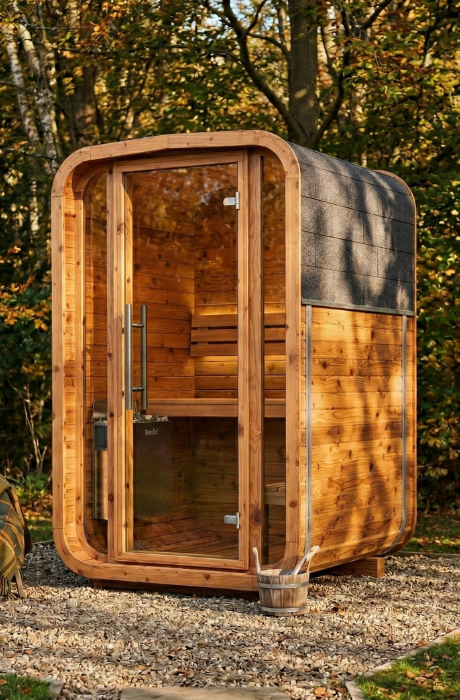
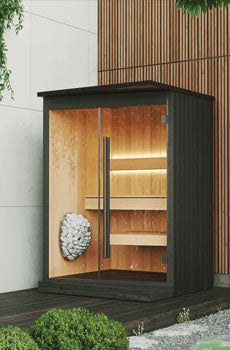
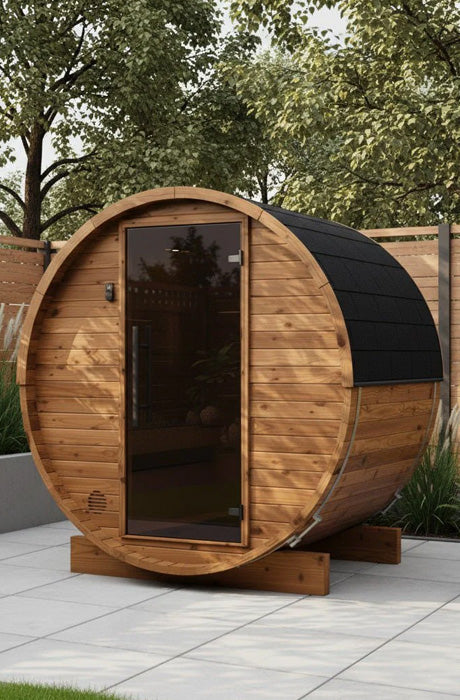
Having your own sauna fundamentally changes your relationship with the practice. The convenience of a home sauna, whether a barrel sauna in the garden, an outdoor sauna cabin such as Finnmark's EDEN or IGNIS range, or a fully bespoke indoor sauna installation, transforms sauna bathing from an occasional luxury into a daily or near-daily ritual. It is that regularity that unlocks the full potential of the practice.
Not sure whether an indoor or outdoor sauna is the right fit for your home? Our in-depth comparison, indoor vs outdoor home sauna: which is right for you?, walks through the key considerations around space, installation, running costs, and the experience each configuration delivers. For those who are considering a self-build project, our complete DIY sauna build guide covers everything from materials and ventilation to electrical installation and bench design.
At Finnmark Sauna, we are the UK's first "Sauna from Finland" certified retailer and specialism exclusively in authentic Finnish saunas, heaters, timber, and accessories. Our team of specialists can guide you through every step of the process, from initial consultation and product selection to delivery and installation. To understand which heating solution suits your space, use our sauna heater buyer's guide, or book a free consultation with our team.
Frequently Asked Questions
What temperature should a traditional Finnish sauna be?
A traditional Finnish sauna operates between 70°C and 100°C, with the most commonly preferred range being 80°C to 90°C. Beginners should start towards the lower end of this range, on the lower bench, and work upwards gradually as their heat tolerance develops. A sauna thermometer helps you monitor temperature and find your personal comfort zone.
How long should a beginner stay in the sauna?
For your first sessions, five to ten minutes per round is the recommended starting point. There is no benefit in pushing through discomfort; the aim is to relax and enjoy the heat rather than endure it. As your body adapts over several weeks of regular use, you can extend sessions to fifteen or twenty minutes per round.
How often should I use a sauna?
Two to three times per week is a good target for beginners and delivers meaningful health benefits. Research suggests that more frequent use, four to seven times per week, is associated with the strongest cardiovascular outcomes. Even once a week is beneficial. The key is consistency over time.
What is löyly and how do I create it?
Löyly is the Finnish word for the steam produced when water is poured over the hot sauna stones. It is the defining characteristic of an authentic Finnish sauna experience. To create löyly, use a sauna ladle to pour two to four ladles of water over the stones at a time, then sit quietly as the wave of steam rises through the room. You can add sauna scents and oils to your löyly water to enhance the aromatherapy experience. For guidance on choosing, maintaining, and replacing your sauna stones, see our article on everything you need to know about sauna stones.
Is it better to use the sauna before or after exercise?
Most research and experienced sauna bathers recommend using the sauna after exercise rather than before. A post-workout sauna session supports muscle recovery, reduces delayed onset soreness, and, when practised consistently over several weeks, has been shown to improve cardiovascular endurance and plasma blood volume.
What should I wear in a traditional Finnish sauna?
In Finland, traditional sauna bathing is done without clothing. In UK public settings, swimwear or a towel is standard. In your own home sauna, the choice is yours. If you choose to wear clothing, opt for loose, breathable cotton. Avoid synthetic materials, which are uncomfortable in the heat. Never wear jewellery or bring electronic devices into the sauna.
Do I need to shower before using a sauna?
Yes. Showering before entering the sauna is both hygienically respectful and practically beneficial. It removes surface oils, dirt, and cosmetics that can create unpleasant odours in the heat, and allows your pores to begin opening more readily. It is considered standard etiquette in both public and private sauna settings.
Can I use a sauna every day?
Many Finns use a sauna daily, and there is no established evidence that daily sauna use is harmful for healthy adults. If you are new to sauna bathing, building up to daily use gradually is sensible. If you have any underlying health conditions, consult your GP before establishing a daily practice.
Is sauna safe during pregnancy?
Pregnant women should consult their healthcare provider before using a sauna. Elevated core body temperature in early pregnancy in particular carries potential risks, and individual medical advice is essential. This applies regardless of sauna type or duration.
How do I choose the right sauna for my home?
The right sauna depends on your available space, budget, and how you want to use it. Finnmark offers a wide range of options, from compact 2-person barrel saunas to spacious outdoor sauna cabins and fully bespoke indoor installations. Our home sauna buying guide is a comprehensive starting point, and our free consultation service means our team can help you find the right solution for your space and lifestyle.
Disclaimer
The information provided in this article is intended for general educational and informational purposes only. Finnmark Sauna has made every effort to ensure the accuracy of the content referenced herein; however, individual responses to sauna use vary significantly depending on personal health, fitness level, age, and medical history. The health benefits described in this article are supported by published research but cannot be guaranteed for every individual. Results will differ from person to person.
This article does not constitute medical advice and should not be used to diagnose, treat, or manage any health condition. Always consult a qualified healthcare professional or your GP before beginning any new wellness practice, particularly if you have an underlying health condition, are pregnant, have a cardiovascular condition, or are currently taking medication. Finnmark Sauna cannot be held responsible for any adverse outcomes arising from the use of information contained within this article.


