























Sauna Before or After a Workout: Which Is Better?
Whether you are a dedicated gym-goer, a weekend runner, or someone who has recently invested in a home sauna, the question of when to use your sauna relative to exercise is one that comes up constantly. Should you sit in the heat before you train to warm your muscles up, or cool down and recover in the sauna after a hard session?
Should You Use a Sauna Before or After a Workout?
For most people and most fitness goals, the best time to use a sauna is after your workout. This is where the evidence is strongest, with research suggesting benefits for recovery, endurance, and the body's hormonal response. A short 10–15 minute sauna session before exercise can also be beneficial, helping to improve mobility and mental focus. However, it should be kept brief to avoid starting your workout dehydrated. If you're unsure, choose a post-workout sauna. Ultimately the right choice depends on your training goals. Below, we'll explore the science behind each approach and showcase how to incorporate sauna sessions into your routine, so you can decide what works best for you.
Quick Guide: Sauna Timing at a Glance
- If your goal is performance and strength output, use the sauna after your workout.
- If your goal is mobility, warm-up, or stress reduction, a short sauna session before can help.
- If your goal is recovery and long-term adaptation: post-workout sauna is strongly supported by the evidence.
Sauna After a Workout: What the Science Says
Is a Sauna Good After a Workout?
Yes. For most people and most training goals, a sauna after a workout or gym session is the better choice. The heat lifts blood flow to tired muscles, supports the body's natural recovery, and over time can improve endurance. The advantages of using a sauna after a workout are considerable, and the evidence is far more compelling than it is for pre-workout use. Post-workout sauna use has been studied more extensively than pre-workout protocols, and the results are consistently positive, particularly for recovery, endurance adaptation, and hormonal response.
Enhanced Endurance Performance Over Time
One of the most striking studies on post-exercise sauna use was conducted by Scoon et al. (2007), published in the Journal of Science and Medicine in Sport. That study found that male runners who used a sauna for 30 minutes post-training, four times per week for three weeks, improved their time-to-exhaustion by an average of 32% compared to controls [6].
The mechanism is primarily haematological: repeated post-exercise sauna bathing increases plasma volume, which in turn boosts red blood cell count and improves oxygen delivery to muscles. This effect is similar to altitude training, but achieved at sea level. For runners, cyclists, and anyone whose sport depends on aerobic capacity, this is a significant finding.
This is why a sauna after a run is one of the simplest recovery habits an endurance athlete can build, and why regular sessions after running are associated with better aerobic markers across a training block.
Growth Hormone and Muscle Protein Synthesis
Post-workout is already a critical window for anabolic activity, and heat appears to amplify it: research indicates that combining exercise with heat exposure produces a greater growth hormone response than either stimulus alone [1]. The heat shock proteins activated during a sauna session also help protect muscle proteins from breakdown and support the repair of exercise-induced micro-damage, the very process that drives muscle growth [2].
Accelerated Muscle Recovery and Reduced DOMS
Delayed onset muscle soreness, the familiar ache felt 24 to 72 hours after hard or unfamiliar exercise, responds well to heat. The vasodilation caused by sauna use increases blood flow to fatigued muscles, improving the delivery of oxygen and nutrients while clearing metabolic waste such as lactate. A 2015 study by Mero et al. found that heat exposure reduced markers of muscle damage in athletes following strength training [7].
Cardiovascular Conditioning
If injury or time keeps you from sustained cardio, regular post-workout sauna use can act as a supplementary stimulus. Cardiac output during a session can reach levels comparable to moderate-intensity aerobic exercise, a genuine bonus for heart health, and you can explore the wider evidence in our sauna health benefits guide. Finland's landmark Kuopio Ischemic Heart Disease study, following over 2,300 middle-aged men, also linked frequent sauna bathing to a significantly reduced risk of fatal cardiovascular events [8].
Improved Sleep Quality Post-Exercise
One of the most underappreciated benefits of post-workout sauna use is its effect on sleep. After a sauna session, core body temperature drops rapidly upon exit; a process that signals the body to prepare for sleep by promoting melatonin release. Combined with the physical fatigue of a workout, this thermal effect can meaningfully improve sleep onset and quality, accelerating overnight recovery [9].
Sauna After Exercise: Practical Protocols
The evidence supports post-workout sauna use, but how you use it matters. Here are the practical guidelines for making it work alongside your training.
How Long Should You Sit in the Sauna After a Workout?
For recovery purposes, 15 to 30 minutes post-workout is the most commonly studied and recommended duration. This is long enough to trigger the key physiological responses, including heat shock protein activation, growth hormone stimulation, and cardiovascular conditioning, without placing excessive additional stress on an already fatigued system.
If you are new to sauna use, start with 10 to 15 minutes and build gradually. The goal is not to endure discomfort but to allow a controlled thermal stimulus to complement the work you have already done.
What Temperature Works Best?
A traditional Finnish sauna operating between 80°C and 100°C is the gold standard. This is the environment in which the majority of research has been conducted, and it is the type of sauna that Finnmark specialises in; from barrel saunas for the garden to bespoke indoor wellness suites built to your exact specification. If you are weighing up your options, our guide to indoor versus outdoor saunas covers the key considerations in detail.
How Soon After Exercise Should You Sauna?
Allow a brief window of 10 to 20 minutes between finishing your workout and entering the sauna. This gives your heart rate time to begin returning toward baseline and allows you to hydrate before the session. Entering a sauna immediately after maximal intensity exercise places a very high combined cardiovascular load on the body.
Hydration Is Non-Negotiable
You will sweat significantly during a post-workout sauna session, on top of the fluid already lost during exercise. Drink at least 500ml of water before entering and continue hydrating after your session. Adding electrolytes is advisable after longer or more intense sessions.
Recommended Post-Workout Sauna Protocol
- Complete your workout and cool down.
- Drink 500ml of water.
- Wait 10 to 20 minutes.
- Enter the sauna at 80 to 100°C.
- Sit for 15 to 30 minutes (beginners: start at 10 to 15 minutes).
- Exit, cool down gradually, and rehydrate with water or electrolytes.
- Optional: repeat one to two rounds with a cooling interval between each.


Sauna Before a Workout: The Case For and Against
Is it good to use a sauna before a workout? Yes, as long as you keep it short. A brief pre-workout session has real benefits for mobility and focus, but a long or hot one can start to work against your performance, so duration is everything.
Improved Muscle Flexibility and Joint Mobility
Heat increases the extensibility of connective tissue. A short, 10 to 15-minute sauna session before training may help reduce muscle stiffness and improve range of motion, particularly for activities such as yoga, Pilates, gymnastics, or dynamic stretching-heavy warm-up protocols. A 2013 study published in the Journal of Athletic Training found that heat application prior to stretching significantly increased hamstring flexibility compared to stretching at room temperature [3].
Mental Priming and Focus
Many athletes report that a brief sauna session before training helps them mentally transition into a focused, calm state. The parasympathetic activation that accompanies heat exposure can reduce pre-competition anxiety and sharpen mental clarity, a benefit that is widely reported among regular sauna users.
Where a Pre-Workout Sauna Can Work Against You
The same changes that help your mobility and focus can start to work against you if a pre-workout session runs too long or too hot. Here is what to keep an eye on:
- Dehydration before exercise: Even a modest pre-sauna session causes significant fluid loss. Beginning a workout in a dehydrated state, even mildly, reduces endurance, impairs thermoregulation, and increases the risk of heat-related illness [4].
- Cardiovascular pre-loading: The elevated heart rate and cardiovascular demand of sauna use mean you are already placing stress on your system before training begins. For strength-based sessions requiring maximal output, this is counterproductive.
- Core temperature already elevated: Entering a workout with a raised core temperature reduces the body's margin for safe heat management during high-intensity exercise, particularly in warm environments.
- Reduced glycogen availability: Though minor in a single session, heat exposure can affect glucose metabolism and energy substrate availability during exercise that immediately follows [5].
If You Do Use a Sauna Before Training, Keep These Rules in Mind
- Keep the session short; 10 to 15 minutes maximum.
- Rehydrate thoroughly before beginning exercise.
- Allow at least 20 to 30 minutes between leaving the sauna and starting your session.
- Avoid pre-workout sauna before high-intensity interval training, heavy strength work, or endurance events.
Does the Type of Workout Change the Equation?
Strength Training and Sauna
For those focused on hypertrophy and strength, the post-workout sauna is particularly well-supported. The combination of resistance training stimulus and heat-induced hormonal response creates a potent anabolic environment. Ensure adequate protein intake around your session to support the muscle protein synthesis that the sauna helps amplify.
Endurance Training and Sauna
Endurance athletes stand to gain the most from consistent post-training sauna use, given the plasma volume and haematological adaptations described above. Adding three to four post-session sauna baths per week over a training block can meaningfully improve aerobic markers without additional mileage.
HIIT and Sauna
High-intensity interval training (HIIT) places a very high cardiovascular and metabolic demand on the body. After a HIIT session, allow a longer cooling interval of at least 20 to 30 minutes before entering the sauna, and opt for a shorter, lower-temperature session of 10 to 15 minutes at around 80°C. The recovery benefits still apply, but managing cumulative cardiovascular load is important.
Yoga, Pilates, and Low-Intensity Movement
For lower-intensity activities, the timing of sauna use is more flexible. A brief pre-session sauna of 10 to 15 minutes can enhance flexibility and set a meditative tone, while a longer post-session sauna deepens the relaxation response and supports the parasympathetic recovery that these disciplines promote.


What Happens to Your Body in a Sauna?
Before diving into timing, it helps to understand what a traditional Finnish sauna actually does to your physiology. A properly built sauna, such as those available across Finnmark's range of home saunas and bespoke indoor installations, operates between 70°C and 110°C, with low humidity that allows the body to sweat freely and regulate its core temperature through evaporative cooling.
Within minutes of entering a sauna, your body initiates a cascade of responses:
Core body temperature rises, typically by 1 to 2°C.
Heart rate increases, sometimes reaching 100 to 150 bpm; comparable to light-to-moderate cardiovascular exercise.
Blood vessels near the skin dilate (vasodilation), increasing peripheral blood flow significantly.
Plasma volume begins to expand with repeated sessions, improving cardiovascular efficiency.
Sweat rate increases dramatically; you can lose between 0.5 and 1 litre of fluid per session.
Growth hormone secretion is stimulated, with some studies showing increases of up to 200 to 300% above baseline [1].
Heat shock proteins (HSPs) are produced, which play a key role in cellular repair and adaptation [2].
These responses are not trivial. They overlap significantly with the physiological demands of exercise itself, which is why the timing of your sauna session relative to your workout genuinely matters.
Who Should Be Cautious?
While sauna use is safe for the vast majority of healthy adults when used sensibly, certain individuals should exercise caution or consult a medical professional before combining sauna use with exercise:
- People with cardiovascular conditions, including hypertension, heart failure, or a history of cardiac events.
- Individuals who are pregnant.
- Those taking medications that affect thermoregulation, blood pressure, or heart rate.
- People with diabetes or conditions affecting circulation.
- Anyone who is acutely unwell, feverish, or experiencing symptoms of overtraining.
- Those who are new to both exercise and sauna use simultaneously should introduce one at a time.
If you fall into any of these categories, the advice in this article does not override your doctor's guidance. Please read our disclaimer below.
Choosing the Right Sauna for Your Fitness Lifestyle
If you are serious about incorporating sauna use into your training routine, the quality and convenience of your setup matters enormously. A home sauna removes the barrier of travelling to a gym or spa and allows you to use it consistently, which is what drives the long-term adaptations described in this article. For a full overview of what to consider, read our home sauna buying guide, and if you are thinking about the total cost of ownership, our sauna cost guide for the UK is also worth a read.
At Finnmark, we offer a range of options to suit different spaces, budgets, and lifestyles:
- Barrel Saunas: Compact, efficient, and beautiful; ideal for gardens and outdoor spaces. Our barrel saunas heat up quickly, making them practical for post-workout use even in winter.
- Outdoor Sauna Cabins: Larger cabin-style saunas for those who want a more spacious, dedicated wellness space in their garden. Browse our full range of outdoor sauna cabins to find the right fit.
- Bespoke Indoor Saunas: Built into your home, basement, or spare room; our bespoke indoor sauna team designs and installs saunas that become a permanent part of your wellness routine.
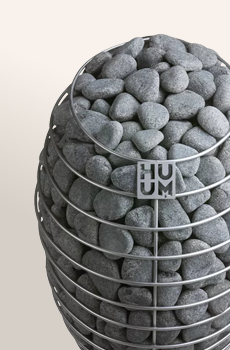
- Sauna Heaters: Whether you prefer the authenticity of a wood-burning heater or the convenience of an electric heater with app control, we stock the finest Finnish brands including HUUM, Narvi, IKI, and Tulikivi.
If you are not sure which type of sauna suits your home and training goals, our team offers free consultations with no obligation. We will help you find the right solution for your space and lifestyle. You may also find it useful to read our guide on how much it costs to run an electric sauna heater, so you can plan your routine with full cost transparency.
Frequently Asked Questions
Is it good to use a sauna before a workout?
Yes, in short sessions. A brief 10 to 15 minute sauna before training can loosen tight muscles and sharpen your focus, which suits mobility work, yoga and Pilates especially well. The key is to keep it short and rehydrate before you start, as a long or hot session beforehand can leave you dehydrated and blunt your performance.
Is it better to sauna before or after a workout?
For most people, with most goals, after a workout is the better choice. Post-workout sauna use is supported by more evidence for recovery, endurance adaptation, and hormonal response. Pre-workout sauna can help with flexibility and mental focus if kept brief (10 to 15 minutes); however, the risks of dehydration and reduced performance are real if sessions run long. For a full breakdown of how each sauna type performs in a home setting, see our home sauna buying guide.
Is it better to sauna before or after the gym?
After the gym is the better choice for most people. A post-gym sauna supports recovery, eases muscle soreness and adds a gentle cardiovascular benefit once your session is done. A short sauna before the gym can help you warm up and focus, but keep it brief so you head into your workout properly hydrated.
When is the best time to use a sauna, before or after a workout?
For recovery, endurance and hormonal benefits, the best time is after your workout, once your heart rate has started to settle. If you would rather use it beforehand, keep it to a short 10 to 15 minute warm-up and rehydrate before training. Most people get the most from a sauna as a post-workout wind-down.
How long should I sit in the sauna after exercise?
15 to 30 minutes is the most commonly studied and recommended window for post-workout sauna use. Beginners should start with 10 to 15 minutes and build up gradually. Always rehydrate before and after your session.
Can using a sauna after a workout help build muscle?
There is good evidence to suggest it can support the conditions for muscle growth. Sauna use stimulates growth hormone release, activates heat shock proteins that protect muscle from breakdown, and improves the hormonal environment post-exercise. It is not a substitute for training and nutrition, but it is a meaningful complement to both.
Does sauna use help with muscle soreness and recovery?
Yes. The vasodilation caused by heat exposure increases blood flow to fatigued muscles, improving delivery of oxygen and nutrients while clearing metabolic waste products. Many athletes use sauna as a structured recovery tool, and several studies support its ability to reduce markers of muscle damage and perceived soreness.
How much water should I drink before a sauna after working out?
Drink at least 500ml of water in the interval between finishing your workout and entering the sauna. Continue hydrating after your session; you may need a further 500ml to 1 litre depending on session intensity and duration. Consider adding electrolytes if your workout was very sweaty or lasted longer than an hour.
Is it safe to use a sauna every day if I work out every day?
Daily sauna use is common in Finland and has not been associated with harm in healthy adults. However, combining heavy daily training with daily sauna use requires close attention to hydration, sleep, and recovery signals. If you begin to feel excessively fatigued, reduce frequency; quality of recovery matters more than quantity of sauna sessions.
Can I use a sauna before a run or cardio workout?
A brief pre-run sauna of 10 to 15 minutes with adequate rehydration afterwards is unlikely to cause harm for experienced users, but it will not enhance cardiovascular performance and may impair it if dehydration occurs. The evidence for post-run sauna as an endurance adaptation tool is considerably stronger.
Can I exercise after using a sauna?
You can, but we would not recommend a hard session straight afterwards. Leave at least 20 to 30 minutes between your sauna and any training, rehydrate fully first, and keep the effort lighter than usual. Because a sauna already raises your heart rate and core temperature, moving into a heavy or high-intensity workout too soon places a large combined load on the body. If performance is your priority, sauna after exercise rather than before is the better order.
Can you wear gym clothes in a sauna?
It is best not to. Damp, synthetic gym clothing traps sweat against the skin, can feel uncomfortable in the heat, and holds onto odours. A clean towel to sit on, with either a towel wrap or loose natural fabrics, is the most comfortable and most hygienic option. If you are using a sauna at your gym, take a moment to change out of your training kit first.
Does a sauna count as exercise?
A sauna is a wonderful complement to training, but it is not a replacement for it. The heat does raise your heart rate to levels comparable with light to moderate cardio, which is why it feels demanding and why it supports heart health. It will not build strength or move your body the way exercise does, so it should not stand in for a workout, and for challenges such as 75 Hard it would not count as one of your sessions.
What type of sauna is best to use after a workout?
A traditional Finnish sauna operating at 80°C to 100°C is the type used in the majority of research studies and is widely regarded as the gold standard for heat therapy. Finnmark Sauna specialises in authentic Finnish saunas; from garden barrel saunas to fully bespoke indoor installations, giving you reliable, consistent heat in the comfort of your own home.
Disclaimer
The information provided in this article is intended for general educational and informational purposes only. Finnmark Sauna has made every effort to ensure the accuracy of the content referenced herein; however, individual responses to sauna use vary significantly depending on personal health, fitness level, age, and medical history.
This article does not constitute medical advice. Always consult a qualified healthcare professional or physician before beginning any new wellness or exercise regime, particularly if you have an underlying health condition, are pregnant, or are currently taking medication. Finnmark Sauna cannot be held liable for any adverse outcomes arising from the use of information contained within this article.
Scientific References
The following peer-reviewed studies and authoritative sources were used to inform the content of this article:
[1] Takatalo, S. et al. (1988). “The effect of physical exercise and heat exposure on the secretion of growth hormone.” Annales Chirurgiae et Gynaecologiae, 77(S207), 71–75.
[2] Kregel, K.C. (2002). “Heat shock proteins: modifying factors in physiological stress responses and acquired thermotolerance.” Journal of Applied Physiology, 92(5), 2177–2186. https://doi.org/10.1152/japplphysiol.01267.2001
[3] Draper, D.O. et al. (2013). “Tissue temperatures and extensibility of the plantar fascia and Achilles tendon.” Journal of Athletic Training, 40(3), 214–218.
[4] Sawka, M.N. et al. (2007). “American College of Sports Medicine position stand: Exercise and fluid replacement.” Medicine & Science in Sports & Exercise, 39(2), 377–390. https://doi.org/10.1249/mss.0b013e31802ca597
[5] Febbraio, M.A. (2001). “Alterations in energy metabolism during exercise and heat stress.” Sports Medicine, 31(1), 47–59. https://doi.org/10.2165/00007256-200131010-00004
[6] Scoon, G.S. et al. (2007). “Effect of post-exercise sauna bathing on the endurance performance of competitive male runners.” Journal of Science and Medicine in Sport, 10(4), 259–262. https://doi.org/10.1016/j.jsams.2006.06.009
[7] Mero, A. et al. (2015). “Effects of far-infrared sauna bathing on recovery from strength and endurance training sessions in men.” SpringerPlus, 4, 321. https://doi.org/10.1186/s40064-015-1093-5
[8] Laukkanen, T. et al. (2015). “Association between sauna bathing and fatal cardiovascular and all-cause mortality events.” JAMA Internal Medicine, 175(4), 542–548. https://doi.org/10.1001/jamainternmed.2014.8187
[9] Harding, E.C. et al. (2019). “The temperature dependence of sleep.” Frontiers in Neuroscience, 13, 336. https://doi.org/10.3389/fnins.2019.00336


