














Sauna Etiquette: The Complete Guide to Sauna Rules, What to Wear and How to Behave
In the first part of our Sauna FAQ series, we explored the wide-ranging health benefits that a regular sauna routine can offer. In this second instalment, we turn our attention to sauna etiquette, the unwritten (and sometimes written) rules that help everyone enjoy a comfortable, relaxing sauna experience.
Whether you are stepping into a sauna for the very first time, visiting a public spa, or settling into a routine with your own home sauna, understanding proper sauna etiquette ensures you get the most from every session, and that anyone sharing the space with you does too.
What Are the Benefits of Using a Sauna? A Brief Summary
Before we dive into the rules and customs, it is worth recapping why people are drawn to sauna bathing in the first place. The sauna health benefits are well-documented and include:
-
Reduced stress and anxiety.
-
Improved sleep quality.
-
Better cardiovascular health.
-
Relief from muscle pain and soreness.
-
Strengthened social connections.
-
A potential boost to the immune system.
-
Improved skin health and appearance.
Research from Finland, a nation with over 3 million saunas for a population of roughly 5.5 million, has consistently shown that frequent sauna use is associated with a reduced risk of cardiovascular events. These benefits are maximised when you combine regular heat exposure with proper technique, which is exactly where good sauna etiquette comes in. You can explore our full, evidence-based series on sauna health benefits for a deeper look at the research.
What Is Sauna Etiquette?
Sauna etiquette refers to the set of customs, courtesies and practical rules that help create a comfortable and hygienic environment for everyone using the sauna. Relaxation is at the heart of an authentic sauna experience, and knowing what to expect, and what is expected of you, makes it far easier to unwind.
These sauna rules will differ depending on the setting. A friend's garden sauna may feel more relaxed than a busy public spa, and customs vary considerably between countries. In Finland, Estonia, Russia, Germany and Sweden, sauna culture is deeply embedded in everyday life, so familiarity with the etiquette comes naturally. For newcomers, however, navigating the do's and don'ts can raise a few questions.
You can read more about how sauna traditions differ across the Baltics, Nordics and Central Europe in our article on exploring thermal bathing cultures.
Whether you are a seasoned sauna enthusiast or a complete beginner, understanding proper sauna etiquette is the gateway to ensuring that everyone in the sauna has a pleasant experience.

What Should You Wear in a Sauna?
One of the most common questions people ask is: what to wear in a sauna? The answer depends on where you are, the type of sauna you are visiting and your own comfort level.
Traditional Finnish Sauna Etiquette
In Finland, the traditional norm is to forgo clothing entirely. Nudity in the sauna is considered completely natural, families often sauna together, and it has been this way for generations. The sauna is viewed as a clean, egalitarian space, and Finns do not attach any awkwardness to it. In 2020, the Finnish sauna tradition was even inscribed on the UNESCO Representative List of the Intangible Cultural Heritage of Humanity, underscoring its cultural significance.
Public Saunas and Spas in the UK
In the UK and many other countries, the approach is more modest. Most public saunas and spas will ask you to wear a swimsuit or, at the very least, wrap a towel around yourself. If you are visiting a public facility for the first time, check their website or ask reception about the dress code beforehand. Most venues make this information readily available.

Your Own Home Sauna
If you have your own home sauna, the choice is entirely yours. Many people prefer to sauna nude for maximum comfort and to allow their skin to breathe and sweat freely. Others feel more comfortable in a light towel, a robe, or swimwear. There is no wrong answer; the priority is that you feel relaxed.
What Not to Wear
Regardless of the setting, there are a few things you should always avoid wearing in a sauna:
-
Jewellery and watches — Metal heats up rapidly in sauna temperatures (typically 70–100°C) and can cause burns or discomfort.
-
Clothing with zips or metal fastenings — For the same reason as above.
-
Synthetic fabrics — Nylon, polyester and spandex trap heat against the skin and do not breathe well. Stick to natural fibres like cotton or linen if you choose to wear something.
-
Gym clothes or shoes — These are unhygienic in a sauna environment and will make you overheat.
Top Tip: Wear a sauna hat to protect your head and hair from the intense heat. Traditionally made from felt or wool, sauna hats help regulate temperature around your head and allow you to stay in the sauna comfortably for longer. They are a staple of Finnish and Baltic sauna culture and are well worth trying.
Should You Shower Before a Sauna?
Yes, always. Showering before entering the sauna is one of the most universally agreed-upon sauna rules, regardless of culture or setting. A quick rinse removes dirt, sweat, body oils and any cosmetic products from your skin. This is important for several reasons:
-
Hygiene: It keeps the sauna environment clean and pleasant for everyone.
-
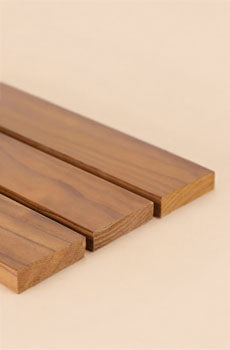
Protecting the wood: Sweat, oils and lotions can seep into the sauna benches over time, staining and degrading the timber. This is particularly important if you have invested in quality sauna wood for your build.
-
Removing chlorine: In spa or swimming pool settings, rinsing off chlorine before entering the sauna will prevent chemical damage to the bench boards and interior cladding.
-
Better sweating: Clean skin actually sweats more efficiently, so you will get more from your session.
How to Use a Sauna: A Step-by-Step Guide
If you are new to sauna bathing and unsure of what to do once you are inside, here is a simple guide on how to use a sauna properly.
Step 1: Set the Temperature
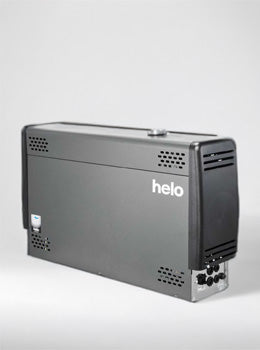
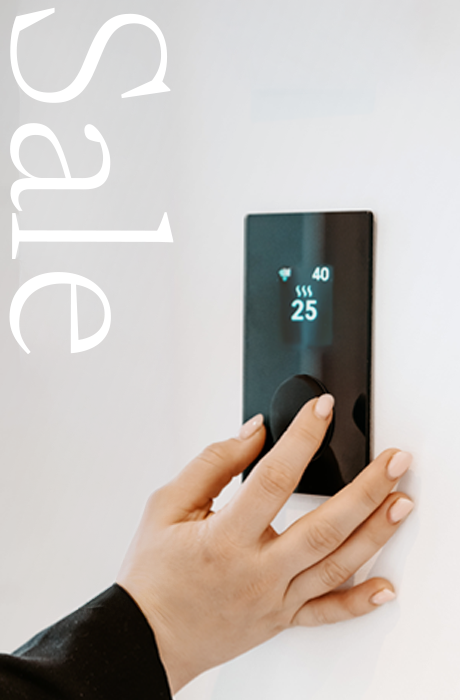
Most saunas operate between 70°C and 100°C (158–212°F). If you are a beginner, start at the lower end and work your way up as you become accustomed to the heat. Electric sauna heaters typically come with a controller that lets you set the temperature precisely. If you are unsure which heater is right for your space, our sauna heater buyer's guide covers everything you need to know.

Step 2: Sit or Lie on the Benches
Simply take a seat or lie down on the sauna benches. Heat rises, so the upper benches will be hotter and the lower benches milder. Choose a position that feels comfortable for you. Always sit on a towel or seat cover to protect the benching and absorb sweat.
Step 3: Enjoy the Löyly
If you would like to create steam, pour a small amount of water onto the hot sauna stones. This produces a burst of warm, humid air known as "löyly" in Finnish (and "leil" in Estonian). The löyly is central to the Finnish sauna experience and makes the heat feel more intense and enveloping. You can read more about the secrets of löyly in our dedicated article.
If you are sharing the sauna with others, it is polite to ask whether they are comfortable with more steam before pouring water. The temperature rises noticeably with each ladle, and while most sauna-goers will welcome more löyly, some may prefer a drier heat.

Step 4: Stay Hydrated
Drink water before, during and after your sauna session. You will lose a significant amount of fluid through sweating, so keeping a water bottle close to hand is essential. Some sauna enthusiasts enjoy traditional Finnish blueberry juice or a light snack after the session.
Step 5: Cool Down
After your sauna session, step outside or take a cool shower to bring your body temperature back down. This cooling phase is an integral part of the sauna experience, and many of the health benefits associated with sauna use come from the contrast between heat and cold.
How Long Should You Stay in a Sauna?
A common question from beginners is: how long should you stay in a sauna? The honest answer is: for as long as it feels good.
Most experienced sauna users spend around 15–20 minutes per session, though this varies widely. In Finland, sessions can range from as little as 5 minutes to extended visits lasting several hours, punctuated by cooling breaks. The key principle is to listen to your body. If you feel lightheaded, dizzy or uncomfortable at any point, step out immediately and cool down.
If you are new to saunas, start with shorter sessions of around 5–10 minutes and gradually increase the duration as your body adapts to the heat. There is no rush; sauna bathing is about relaxation, not endurance.

How Often Should You Sauna?
There is no strict rule on how often you should sauna. Many Finns enjoy a sauna session every day, with the traditional "sauna day" typically being Friday evening, marking the transition from the working week to the weekend. Research suggests that the cardiovascular benefits increase with frequency; studies have shown particular benefits for those who sauna four to seven times per week.
For most people, two to four sessions per week is an excellent target. If you have any underlying health conditions, it is always worth consulting your doctor before establishing a regular routine.
The Sauna Cold Plunge: Combining Heat and Cold
One of the most invigorating aspects of authentic sauna culture is the practice of alternating between heat and cold. After warming up in the sauna, many people take a cold plunge, whether that means jumping into a lake, taking a cold shower, or using a dedicated cold plunge pool.
This hot-cold contrast is a cornerstone of Finnish sauna tradition. In winter, Finns practise avantouinti (ice swimming), cutting a hole in a frozen lake and plunging in after their sauna session. While this may sound extreme, the practice has become increasingly popular in the UK and across Europe.
The combination of sauna heat followed by cold water exposure is believed to improve circulation, reduce inflammation, boost the immune system and release endorphins. It is the contrast itself — the rapid shift from vasodilation to vasoconstriction, that produces many of the reported benefits.
If you are new to cold exposure, start gradually. A cool (rather than ice-cold) shower after your sauna session is a perfectly good starting point. You can work up to colder temperatures over time.
Sauna Etiquette Do's and Don'ts
Here is a comprehensive summary of the essential sauna rules to follow, whether you are visiting a public facility or enjoying your own barrel sauna at home with guests.
Do's
-
Shower before entering — This is non-negotiable in virtually every sauna setting.
-
Sit on a towel or seat cover — This protects the benches from sweat and helps maintain the quality of the wood. Browse our selection of sauna seat covers and pillows.
-
Stay hydrated — Drink water before, during and after your session.
-
Close the door quickly — Every time the sauna door opens, heat escapes. Enter and exit swiftly to maintain the temperature for everyone inside.
-
Ask before adding steam — If you are sharing the sauna, check that others are happy before pouring water on the stones.
-
Keep the sauna clean — Leave the space as you found it. Take your towel and any personal items with you.
-
Respect the quiet — The sauna is a place for relaxation. While conversation is welcome, keep it at a low volume. Many people use sauna time for quiet reflection.
-
Refill the water bucket — If you use the last of the water for löyly, refill the bucket for the next person. This is a simple courtesy that is particularly valued in Finnish sauna culture.
Don'ts
-
Don't use your phone — The heat can damage electronics, the screen light disrupts the atmosphere, and taking photos in a shared sauna space is a serious breach of privacy. Leave your phone in the changing room.
-
Don't wear strong fragrances — Perfumes, colognes and heavily scented lotions are intensified in the heat. Stick to unscented products before your session.
-
Don't treat it as a competition — Sauna is not about who can endure the most heat for the longest time. Listen to your body and step out when you need to.
-
Don't exercise in the sauna — Stretching or performing exercises in a shared sauna is disruptive and can be unsafe in the heat.
-
Don't leave the door open — It takes time to build up the sauna temperature, so lingering in the doorway wastes heat and disrupts others' experience.
-
Don't pour excessive water on the stones — A little water goes a long way. Flooding the heater creates an uncomfortably intense burst of steam and can also damage some types of sauna heaters over time.
Sauna Etiquette When Hosting Guests at Home
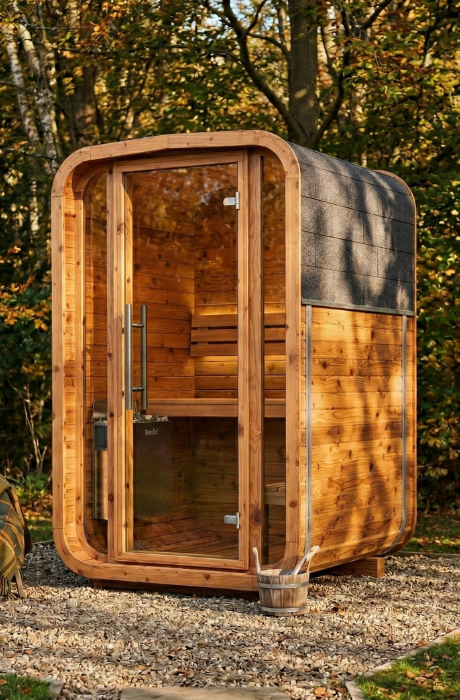
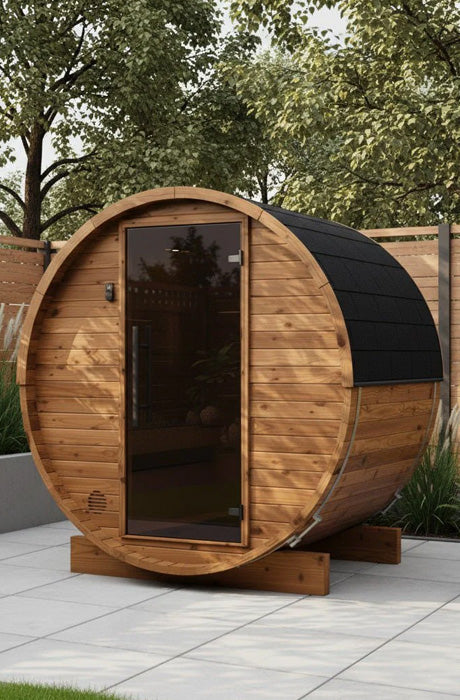
If you have invested in a home sauna, whether an indoor sauna cabin, a barrel sauna or a cube sauna in the garden, hosting guests for a sauna session can be a wonderful social experience. Here are a few tips to make it enjoyable for everyone:
-
Prepare the space — Ensure the sauna is clean, pre-heated and ready for use. Offer fresh towels and water for your guests.
-
Discuss comfort levels — Before the session, have a brief conversation about clothing preferences. Some guests may be perfectly comfortable going nude, while others will prefer swimwear or a towel. Both are absolutely fine.
-
Explain the basics — If your guests are new to sauna, walk them through the routine: shower first, sit on a towel, how long to stay, how the löyly works and where to cool down.
-
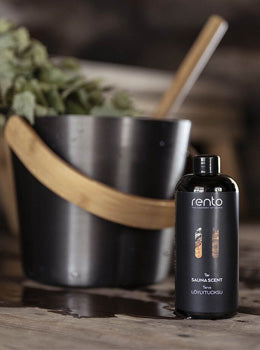
Enhance the experience — Consider offering sauna scents and essential oils, a birch whisk (vihta) for those who want to try the traditional Finnish skin-brushing technique, or a selection of sauna accessories to make the session feel special.
-
Let everyone go at their own pace — Session durations are not competitions. Make it clear that anyone is welcome to step out and cool down at any point.
Finnish Sauna Etiquette: Understanding the Tradition
Finland is the birthplace of modern sauna culture, and Finnish sauna etiquette has influenced how people around the world approach the experience. A few additional customs that are particularly valued in Finland include:
-
The vihta (birch whisk): In traditional Finnish saunas, fresh bundles of birch twigs are used to gently brush or lightly whip the skin. This improves circulation, acts as a mild exfoliant and releases a pleasant birch fragrance. You can explore our range of sauna whisks to try this at home.
-
Silence is golden: While saunas are social spaces in Finland, even important business meetings have been known to take place in the sauna, there is an equal appreciation for silence. Many Finns view sauna time as a form of quiet meditation.
-
The weekly ritual: Friday evening sauna (saunailta) is a deeply ingrained tradition. It marks the end of the working week and the beginning of rest. Families gather, the sauna is heated, and the evening unfolds at a leisurely pace.
-
Respect for the sauna space: In Finnish culture, the sauna has historically served as a near-sacred space, used for healing, childbirth, and even preparing the dead. While the modern sauna is far more casual, an underlying respect for the space remains.
Sauna Etiquette After Your Session
What you do after your sauna matters just as much as what you do inside it. Following a proper post-sauna routine will help you feel your best and maximise the health benefits:
-
Shower again: Rinse off the sweat from your session. Some people prefer a cool shower for an additional cold-contrast benefit.
-
Rehydrate: Drink plenty of water or a light, hydrating beverage. You will have lost a considerable amount of fluid.
-
Rest and relax: Allow 10–15 minutes for your body temperature and heart rate to return to normal before heading out. If the venue has a relaxation area, make use of it.
-
Cold plunge (optional): If a cold plunge pool, lake or cold shower is available, take advantage of it. The hot-cold contrast is where many of the most significant health benefits lie.
-
Repeat the cycle: In the Finnish tradition, the sauna routine is cyclical — heat, cool, rest, repeat. Most Finns go through two or three rounds, though beginners should start with a single cycle and build up.
Planning Your Own Sauna?
If reading about sauna etiquette has inspired you to create your own sauna space at home, we can help. From pre-built barrel saunas and cube saunas to fully bespoke indoor installations and outdoor garden saunas, Finnmark offers authentic Finnish sauna solutions for every space and budget.
For those who prefer a hands-on approach, our comprehensive guide on how to build a sauna covers the entire self-build process from start to finish, including choosing the right sauna timber, insulation and vapour sealing, ventilation, and selecting a sauna heater.
If you would like tailored advice, our team of sauna specialists are always happy to help. Get in touch for a free consultation, or browse our sauna case studies for inspiration.
Frequently Asked Questions About Sauna Etiquette
Is it OK to talk in a sauna?
Yes, light conversation is perfectly acceptable in most saunas. In Finland, the sauna is actually one of the most social spaces in everyday life and has traditionally been a place for meaningful conversation. That said, be mindful of volume and tone. Many people use sauna time for quiet relaxation and reflection, so keep your voice low and read the room. If others are sitting in silence, it is respectful to follow their lead. Avoid phone calls and loud group chatter entirely.
Do you have to be naked in a sauna?
It depends on the setting. In traditional Finnish saunas (especially private or single-sex ones), nudity is the norm and considered completely natural. In the UK, most public saunas and spas require swimwear or a towel. If you are using your own home sauna, the choice is entirely yours. Whatever makes you feel comfortable is the right answer, there is no judgment either way.
Can I use my phone in a sauna?
It is strongly discouraged. Beyond the etiquette concerns, screen light and notification sounds disrupt the relaxing atmosphere; the heat and humidity in a sauna can seriously damage your phone. Temperatures regularly reach 70–100°C, well beyond what most consumer electronics are designed to handle. Leave your phone in the changing room and use the time to disconnect.
Can I pour water on the sauna stones?
In most traditional saunas, yes, this is how you create löyly (steam) and is a core part of the Finnish sauna experience. However, if you are sharing the sauna with others, always ask before pouring. The temperature rises noticeably with each ladle of water, and not everyone may want more heat. Use water sparingly and pause between ladles to let the steam take effect. You can learn more about this tradition in our article on the secrets of löyly.
Can I use essential oils in a sauna?
You can, but with care. Never pour undiluted essential oils directly onto the sauna stones, as they can create harmful fumes or leave residue. Instead, add a few drops to the water in your sauna bucket before ladling it onto the stones, or use a dedicated sauna diffuser. In a shared or public sauna, always ask others before introducing any scent, some people may have sensitivities or allergies. Browse our range of sauna scents and oils for options designed specifically for sauna use.
How hot should a sauna be?
A traditional Finnish sauna typically operates between 70°C and 100°C (158–212°F). Most experienced sauna users find 80–90°C to be the sweet spot. If you are a beginner, start at the lower end (around 60–70°C) and increase gradually as your body adapts. Remember that the upper benches are always hotter than the lower ones, so you can adjust your position as well as the thermostat. Our sauna heater buyer's guide can help you choose a heater with the right output for your space.
Is sauna safe during pregnancy?
This is a question best answered by your doctor or midwife, as individual circumstances vary. In Finland, where sauna use is part of everyday life, many women continue to sauna throughout pregnancy, though often at lower temperatures and for shorter sessions. However, medical guidance in the UK generally advises caution, particularly during the first trimester, due to concerns about overheating. Always seek professional medical advice before using a sauna while pregnant.
Should I drink alcohol before or during a sauna?
No. Alcohol causes dehydration and impairs your body's ability to regulate temperature, which can increase the risk of dizziness, fainting and other heat-related issues. While a cold beer after the sauna is a cherished Finnish tradition, consuming alcohol before or during your session is not recommended. Stick to water during the sauna itself and save any refreshments for afterwards.
What is a sauna whisk (vihta) and how do I use one?
A vihta (also called vasta, depending on the region of Finland) is a bundle of fresh birch twigs used to gently brush or lightly whip the skin during a sauna session. The practice improves blood circulation, acts as a mild exfoliant and releases a pleasant, natural birch fragrance. To use one, soften it in warm water beforehand, then gently pat and brush it across your arms, legs and back. You can try this at home with our selection of sauna whisks.
Can children use a sauna?
In Finland, children are introduced to the sauna from a very young age — even infants as young as a few months old. The key is to use lower temperatures, keep sessions short and always supervise children closely. Many families sauna together as a normal part of their weekly routine. If you are unsure, start with brief sessions at a mild temperature and let your child set the pace. As always, consult your paediatrician if you have any concerns.


