














Home Sauna Buying Guide: Everything You Need to Know (2026)
The decision to invest in a home sauna represents more than a purchase; it's a commitment to wellness, recovery, and creating a personal sanctuary within your own space. As the UK's first "Sauna from Finland" certified retailer, we've guided hundreds of clients through this journey, from initial consultation to their first löyly ritual.
This comprehensive home sauna buying guide walks you through everything from selecting the right sauna type and size to understanding heater options, timber choices, and ongoing maintenance. By the end, you'll have the knowledge to choose a sauna that serves your health, fits your space, and becomes an integral part of your daily routine.
Understanding Traditional Finnish Saunas
When considering how to choose a home sauna, it's essential to understand what defines an authentic Finnish sauna experience. Unlike other heat therapy options, traditional Finnish saunas have been refined over centuries, creating a specific environment that promotes both physical recovery and mental clarity.
The Finnish Sauna Experience
A traditional Finnish sauna heats the air around you using either electric or wood-burning heaters, creating intense, enveloping warmth that reaches temperatures between 65°C and 90°C (150°F to 195°F). The defining characteristic of authentic Finnish sauna bathing is löyly, the ritual of pouring water over heated stones to create steam, temporarily raising humidity and intensifying the sensation.
This isn't simply about reaching a temperature; it's about the quality of heat, the ritual of water meeting stone, and the profound sense of relaxation that follows. The combination of dry heat punctuated by bursts of steam creates a therapeutic environment that's been central to Finnish culture for over 2,000 years.
At Finnmark Sauna, every product in our home sauna collection adheres to authentic Finnish standards, ensuring you experience sauna bathing as it was meant to be.
Types of Home Saunas
When choosing a home sauna, understanding the different structural designs helps you identify which configuration suits your space and aesthetic preferences.
Barrel Saunas
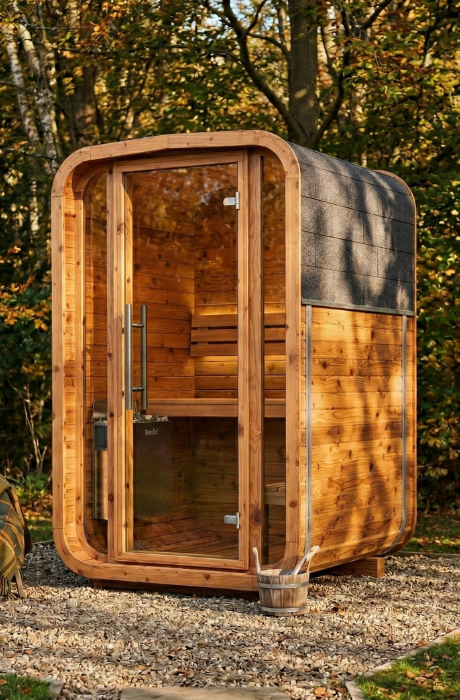
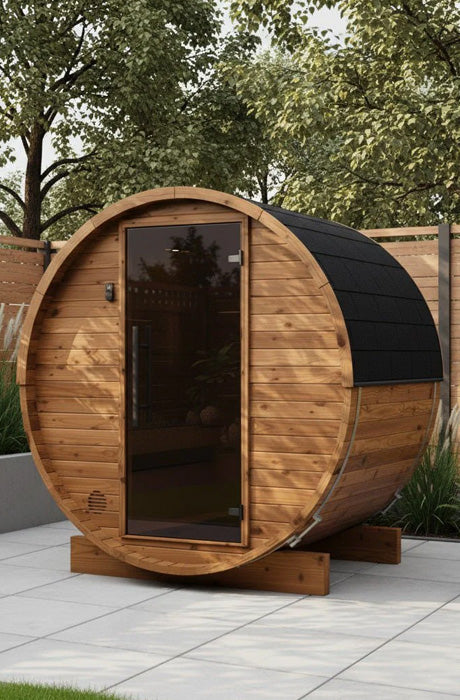
Barrel saunas combine a distinctive cylindrical design with excellent heat circulation. The curved structure naturally directs heat in a circular pattern, reducing energy consumption to maintain temperature whilst creating an efficient thermal environment. The rounded shape is more than aesthetic; it's functionally superior for heat distribution.
The unique geometry provides efficient heating because there's less cubic footage to heat than in rectangular saunas of similar capacity. The curved ceiling prevents heat from pooling at the top and instead circulates it evenly throughout the space. This creates a more consistent temperature from floor to ceiling, eliminating the dramatic heat gradient found in some traditional designs.
From an aesthetic standpoint, barrel saunas offer instant visual appeal that transforms garden spaces into wellness retreats. The architectural distinctiveness creates a focal point whilst the compact footprint makes them suitable for smaller gardens or courtyards.
Browse our barrel sauna collection to see configurations from two-person intimate spaces to larger family-sized options, all featuring authentic Finnish construction and premium thermally modified timber.

Cube Saunas
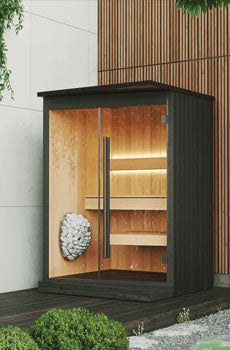
Cube saunas represent modern sauna design, compact, angular, and purposefully minimalist. These space-efficient structures maximise interior room within a small footprint, making them ideal for urban gardens, terraces, or compact outdoor spaces where traditional cabin saunas won't fit.
The contemporary cubic design complements modern architecture beautifully. Clean lines, right angles, and sophisticated material choices create saunas that feel more like architectural installations than garden buildings. Many of our clients with modern homes appreciate how cube saunas integrate seamlessly with contemporary landscaping.
Practical benefits extend beyond aesthetics. The rectangular interior offers more usable bench space than curved designs, enabling more flexible seating arrangements. Installation tends to be more straightforward, and the geometry makes it easier to incorporate windows, varied bench heights, and custom interior layouts.
View our cube sauna range for streamlined wellness solutions that don't compromise on authentic Finnish sauna performance.

Traditional Cabin Saunas
Traditional outdoor sauna cabins offer the most flexibility in terms of size, layout, and features. These structures provide the full Finnish sauna experience with dedicated changing areas, covered porches for cooling down, and the capacity to accommodate larger groups.
Cabin saunas are freestanding structures that can be customised extensively. Interior layouts can include multiple bench levels, dedicated heater alcoves, and strategic window placement for light and views. Some of our cabin installations include separate changing rooms, covered porches for post-sauna relaxation, and even integrated shower facilities.
The larger footprint allows for premium experiences; full-height ceilings that create a sense of spaciousness, larger heaters that deliver powerful löyly, and bench configurations that accommodate reclining as well as sitting. For families or those who entertain regularly, cabin saunas provide the space needed for social sauna bathing.
Explore our outdoor sauna cabins to see the full range of configurations and customisation options available.

Indoor vs Outdoor Saunas: Key Considerations
One of the most significant decisions in choosing a home sauna is determining whether to install it indoors or outdoors. Both options have distinct advantages, and the right choice depends on your specific circumstances.
Indoor Sauna Advantages
Indoor saunas offer year-round access regardless of the weather. There's no garden path to navigate in rain or snow, making it easier to maintain a regular sauna routine throughout the winter months. Integration with existing home spaces means immediate access to showers, changing areas, and climate-controlled environments for post-sauna relaxation.
From a design perspective, indoor saunas can be incorporated into existing wellness spaces, creating spa-like bathrooms or dedicated relaxation rooms. The controlled environment means you're not subject to outdoor temperature fluctuations, which can affect heat-up times and overall efficiency.
Considerations for indoor installation include proper ventilation to manage heat and humidity, ensuring existing flooring can support the weight of the sauna structure, and adequate electrical supply. You'll also need to consider noise if the sauna is near bedrooms or quiet spaces, though modern electric heaters operate relatively quietly.
Outdoor Sauna Advantages
Outdoor saunas offer complete design freedom without the spatial constraints of existing rooms. You can choose any size configuration that suits your needs without worrying about doorway widths, ceiling heights, or weight-bearing walls. The sauna becomes a destination, a dedicated wellness retreat physically separated from daily domestic life.
Natural ventilation is significantly simpler with outdoor installations. Heat and humidity dissipate naturally into the surrounding air without requiring complex mechanical systems. The temperature contrast between sauna heat and outdoor air creates the traditional Finnish experience of heat-cold therapy, particularly invigorating during cooler months.
Outdoor saunas also provide aesthetic opportunities. A well-designed sauna structure becomes a garden feature, creating focal points and enhancing outdoor spaces. Many of our clients design landscaping, lighting, and seating areas around their saunas, creating complete outdoor wellness environments.
Practical considerations include preparing a suitable base (concrete pads or compacted gravel), ensuring access to an electrical supply, and considering proximity to your house for convenience, whilst maintaining the sense of escape.
Sizing Your Home Sauna: Finding the Right Fit
Choosing the correct size is crucial to your long-term satisfaction. Too small creates discomfort; too large leads to unnecessary expense and longer heat-up times. When considering how to choose a home sauna, a realistic assessment of your typical usage patterns is essential.
Sauna Capacity Guidelines
One to Two Person Saunas
Compact saunas designed for one or two people typically measure between 1.2m to 1.8m in length. These intimate spaces work exceptionally well for individuals establishing a daily sauna routine or couples who prefer frequent, private sessions.
The smaller interior volume heats quickly, typically reaching temperature in 20-30 minutes with appropriately sized heaters. Operating costs remain minimal, and the compact footprint means these saunas fit into tighter spaces, small urban gardens, apartment balconies (where structural capacity permits), or converted closets for indoor installations.
Despite the compact dimensions, the thoughtful design ensures comfort. Strategic bench placement, proper ceiling height, and adequate elbow room create spaces that feel private rather than cramped. Many of our clients are initially concerned about the size report, but once inside and relaxing, the intimate proportions enhance rather than detract from the experience.
View our 2-person outdoor sauna options to see how clever design maximises usability within compact dimensions.

Four Person Saunas
Four-person saunas represent the most popular configuration for families and those who occasionally sauna with friends. Interior dimensions typically range from 1.8m to 2.4m in length, providing comfortable seating for four adults or luxurious space for two.
This size category offers the best balance between interior space, heating efficiency, and footprint. There's enough room for multiple bench levels, allowing users to choose their preferred heat intensity (heat rises, so upper benches are hotter). The additional space accommodates reclining on lower benches for deeper relaxation.
From a practical standpoint, four-person configurations heat reasonably quickly whilst providing enough capacity for social sauna bathing. Whether you're introducing children to sauna culture, enjoying couples' sessions with friends, or simply appreciating the extra space for solo sessions, this size delivers exceptional versatility.
Explore our 4-person outdoor sauna collection for popular configurations that suit most family situations.

Six to Eight Person Saunas
Larger saunas designed for six to eight people offer the most spacious experience, with lengths exceeding 2.4m. These configurations suit those who regularly entertain, large families, or anyone wanting the most luxurious sauna experience, regardless of capacity needs.
The generous dimensions allow for multiple seating and reclining positions, various bench heights, and room to move comfortably during sessions. Larger saunas can accommodate premium heaters that deliver powerful löyly experiences and maintain consistent temperatures even with full capacity.
Heat-up times naturally increase with volume, typically 30-45 minutes depending on external temperature and heater size. Operating costs increase proportionally, though for those who value the experience, the additional expense is worthwhile.
View our 6-8 person outdoor sauna options for spacious configurations that don't compromise on heat quality or efficiency.

Interior Height Considerations
Ceiling height significantly impacts comfort and heat efficiency. Standard sauna height ranges from 1.9m to 2.1m at the highest point. This provides adequate headroom for most people to sit upright on the highest bench whilst preventing excessive heat loss.
Barrel saunas have curved ceilings, with the centre height being greater than the sides. This geometry is efficient for heat circulation but requires consideration if you're particularly tall. Most adults can sit comfortably on the upper bench with adequate headroom, though reclining is typically done on lower benches.
Cube and cabin saunas with flat ceilings offer more consistent headroom throughout the interior. Some of our larger cabin designs incorporate higher ceilings (2.2m to 2.4m) for those who appreciate more spacious interiors, though this does increase the volume requiring heating.
Space Planning Beyond the Sauna Structure
When planning your sauna installation, consider the space around the structure. For outdoor saunas, allow at least 0.5m to 1m clearance on all sides for maintenance access, cleaning, and visual balance within your garden.
Many clients create dedicated sauna gardens with paved or gravelled areas extending beyond the structure. This provides clean, comfortable spaces for pre- and post-sauna relaxation, somewhere to place a cold plunge or shower, and landscaping that creates privacy and ambience.
For indoor installations, ensure adequate clearance for the door swing, comfortable access around the structure, and space for any accompanying furniture like benches or storage for towels and accessories.
Understanding Sauna Heaters
The heater is the heart of your sauna, determining heat quality, operating costs, and the overall experience. When learning how to choose a home sauna, understanding heater options is fundamental.
Electric Sauna Heaters
Electric sauna heaters dominate modern home installations due to their convenience, precise temperature control, and reliable performance. These heaters use electrical elements to heat a mass of sauna stones, which radiate heat into the sauna and provide the thermal mass for creating löyly.
Heater Sizing
Proper heater sizing ensures efficient operation and optimal heat. Undersized heaters struggle to reach and maintain temperature, whilst oversized heaters cycle on and off frequently, reducing stone thermal mass and compromising löyly quality.
The basic calculation considers sauna volume in cubic metres (length × width × height), accounting for additional factors like insulation quality, whether the sauna is indoors or outdoors, and external wall exposure. As a general guide, you need approximately 1kW of power per cubic metre of sauna space, with increases for poorly insulated spaces or outdoor installations exposed to cold weather.
For example, a 2m × 2m × 2m sauna (8 cubic metres) typically requires a 6-9kW heater depending on specific circumstances. Our sauna specialists provide accurate heater recommendations based on your exact specifications during consultation.
Heater Brands and Quality
Not all electric sauna heaters perform equally. At Finnmark Sauna, we supply premium brands known for reliability, safety, and authentic Finnish performance:
-
HUUM sauna heaters offer contemporary design combined with innovative features like efficient heating elements and smart controls.
-
Narvi heaters represent traditional Finnish engineering, robust construction, and exceptional stone capacity.
-
IKI heaters provide powerful performance with substantial stone mass for superior löyly.
-
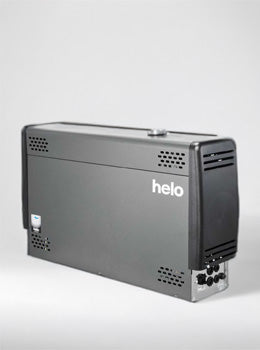
Helo heaters deliver reliable, tested technology suitable for domestic and commercial applications.
-
Tulikivi heaters incorporate natural soapstone for unmatched heat retention and quality.
Browse our complete electric sauna heater collection to compare options, or read our sauna heater buyer's guide for detailed technical guidance.

Sauna Heater Controllers
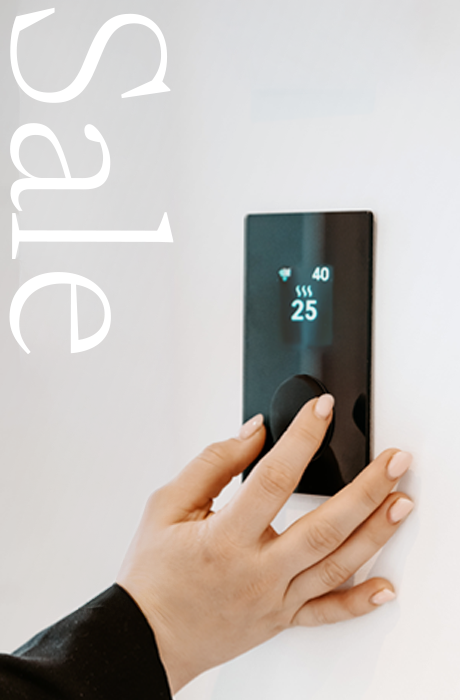
Modern sauna controllers transform the user experience. Basic mechanical controls allow temperature adjustment and timer settings. Advanced digital controllers offer precise temperature control, programmable schedules, and remote operation via smartphone apps.
Premium controllers enable you to preheat your sauna remotely, ensuring it's ready when you arrive home from work. Some systems integrate humidity sensors that adjust heating patterns for optimal löyly quality. The investment in quality controls enhances convenience whilst providing safety features like automatic shut-off and overheat protection.

Wood-Burning Sauna Heaters
For those seeking the most authentic Finnish experience or installing saunas in locations without reliable electricity, wood-burning sauna heaters provide unmatched ambience and traditional heat quality.
The experience of tending a fire, the gentle crackle of burning wood, and the slightly different heat character create profound connections to the sauna's ancient origins. Wood stoves require more active management than electric heaters, building the fire, managing burn rate, and adjusting airflow, but many enthusiasts consider this involvement part of the ritual.
Practical considerations include adequate clearance from combustible surfaces (typically 450mm minimum), proper chimney installation with sufficient draw, and access to seasoned firewood. Wood-burning heaters excel in remote locations, off-grid properties, or anywhere you want to avoid electrical running costs.
Browse our wood-burning heater collection and explore chimney parts and flue kits for complete installation solutions.

Sauna Stones: The Essential Component
Regardless of heater type, sauna stones are crucial to heat quality and löyly performance. These aren't decorative elements; they're functional components that store thermal energy and provide the surface for water to flash into steam.
Quality sauna stones must withstand repeated heating and cooling cycles without cracking or degrading. Proper stone selection affects heat distribution, steam quality, and heater longevity. Volcanic rocks like olivine and peridotite are traditional choices, offering excellent heat retention and resistance to thermal shock.
The arrangement of stones within the heater is critical. Properly stacked stones allow air circulation around heating elements whilst providing adequate thermal mass. Too few stones reduce heat storage; too many restrict airflow and reduce heater efficiency. Follow manufacturer guidance for stone capacity and arrangement.
Stones require periodic inspection and replacement. Thermal cycling eventually causes degradation—stones crack or crumble, reducing effectiveness. Annual inspection and replacement of damaged stones maintains optimal performance and prevents stone fragments from blocking airflow or damaging heating elements.

Choosing Sauna Timber: Materials That Matter
The timber you select affects aesthetics, durability, heat tolerance, and the overall sauna experience. When considering how to choose a home sauna, understanding timber properties helps you make informed material decisions.
Traditional Sauna Timber Species
Alder
Alder sauna wood offers light, uniform colouring with minimal resin content. The pale tone brightens sauna interiors whilst maintaining visual warmth. Alder's fine, even grain creates smooth surfaces comfortable against bare skin.
From a performance perspective, alder is relatively soft, making it comfortable for benches and backrests. The low density means it heats slowly, remaining comfortable to the touch even at high temperatures. Alder works well for complete sauna interiors, including cladding, benches, and trim.
Aspen
Aspen sauna timber provides the lightest natural colour amongst sauna woods, creating bright, contemporary interiors. The fine, consistent grain offers smooth surfaces, whilst the wood's low resin content means no sticky patches or strong aromatic oils during heating.
Aspen's low density makes it exceptionally comfortable for benches; it heats slowly and stays cool enough to sit on even at maximum sauna temperature. For those sensitive to wood aromas or preferring neutral scent profiles, aspen delivers excellent performance without the characteristic cedar fragrance.
Spruce
Spruce sauna wood represents traditional Nordic sauna construction. The light, slightly golden tone creates warm, inviting interiors. Spruce offers good structural properties combined with acceptable bench performance when properly dried and finished.
The affordability of spruce makes it economical for larger saunas or those working within tighter budgets. Whilst it contains more resin than aspen or alder, quality spruce timber properly kiln-dried minimises resin bleeding during use.
Cedar
Western Red Cedar brings distinctive reddish-brown tones and characteristic aromatic oils. The natural oils provide inherent resistance to decay and insects, making cedar particularly suitable for outdoor saunas exposed to weather.
The aromatic qualities are polarising; some people love the characteristic cedar scent released during heating, while others find it overpowering. Consider this carefully, as the aroma is persistent. Cedar works exceptionally well for exterior cladding on outdoor saunas where weather resistance is paramount.
Thermally Modified Timber: Enhanced Performance
Thermally modified timber undergoes a controlled heating process that permanently alters its cellular structure, creating superior stability, durability, and performance characteristics compared to untreated wood.
The modification process heats timber to 180-230°C in the absence of oxygen, chemically changing the wood's composition. This treatment reduces hygroscopic properties (water absorption), improves dimensional stability (less expansion and contraction), enhances durability (increased resistance to decay), and often darkens the colour, creating rich, sophisticated tones.
Thermally modified alder develops rich, warm brown tones whilst retaining alder's comfortable touch and smooth texture. The treatment enhances stability, making it well-suited for indoor and outdoor applications where humidity fluctuations can affect untreated timber.
Extended thermal modification creates deep, chocolate-brown tones with exceptional visual depth. Dark thermo alder provides contemporary aesthetics whilst delivering superior performance characteristics—ideal for modern sauna designs where visual impact matters.
Thermally modified aspen darkens from pale cream to golden honey tones whilst maintaining aspen's neutral aroma profile and comfortable touch. The enhanced stability makes Thermo Aspen particularly suitable for outdoor barrel saunas where dimensional movement could affect curved construction.
An economical option for larger projects, thermo radiata pine offers improved stability and durability compared to untreated pine, whilst maintaining accessibility for budget-conscious builds.
These options combine traditional Nordic timber species with modern modification technology, delivering enhanced performance at moderate price points.
Browse our complete sauna timber collection to compare species and see detailed specifications for each option.
Timber Product Types
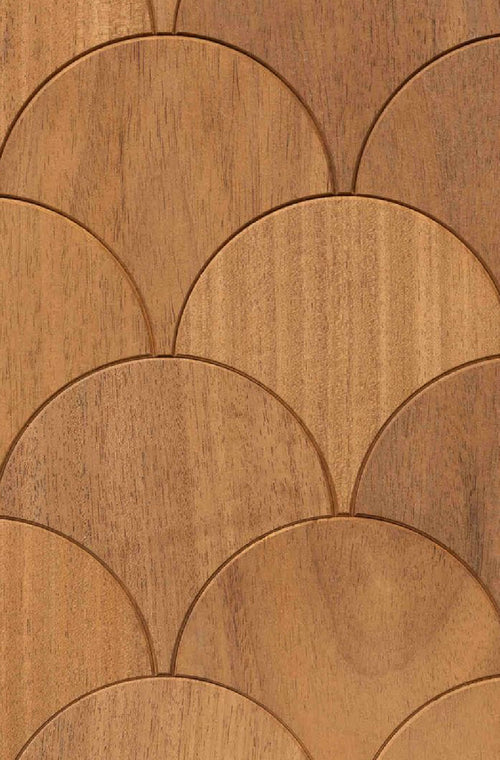
Wall cladding defines the visual character of your sauna interior. Tongue and groove profiles create seamless, insulated walls whilst allowing subtle movement as timber responds to temperature and humidity changes. Profile options include traditional tongue and groove, shadow gap designs for contemporary aesthetics, and feature wall options for visual interest.
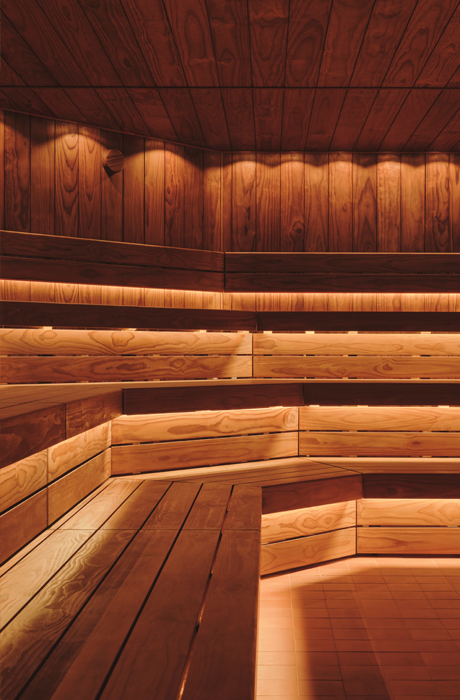
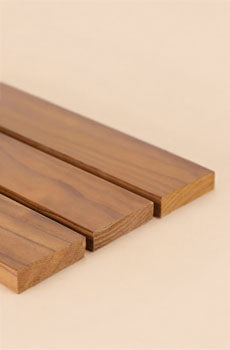
Bench surfaces require specific consideration—they're in direct contact with skin at high temperatures. Wider boards (90mm to 120mm) provide comfortable seating whilst maintaining structural integrity. Rounded or chamfered edges prevent uncomfortable pressure points. Some builders prefer ready-made sauna benches for convenience and consistent quality, whilst others custom-build using bench boards for perfect sizing.
For complex designs or specific dimensional requirements, our custom sauna bench fabrication service delivers precisely manufactured benches to your specifications.
Battens create the framework behind cladding, providing airflow space and attachment points for wall panelling. Proper battening ensures adequate ventilation behind cladding, preventing moisture accumulation whilst creating a stable installation surface.
Corner Mouldings and Edge Trims
These finishing details transform functional structures into refined spaces. Quality trim work conceals construction joints, protects exposed edges, and creates visual cohesion throughout the interior.
Essential Sauna Construction Materials
Building a home sauna requires more than timber and a heater. Proper construction materials ensure your sauna performs efficiently, remains durable, and provides the authentic experience you're investing in.
Insulation and Vapour Barriers
Effective sauna insulation is crucial for heat retention, energy efficiency, and protecting surrounding structures. Unlike standard building insulation, sauna insulation must withstand extreme temperatures without degrading or off-gassing.
High-temperature mineral wool insulation typically fills wall and ceiling cavities. This material tolerates sauna temperatures without decomposition whilst providing excellent thermal resistance. Proper installation creates continuous insulation layers without gaps or compression that would reduce effectiveness.
Vapour barriers prevent moisture from penetrating insulation and structural components. Aluminium foil vapour barriers installed on the warm side of insulation (between insulation and interior cladding) reflect radiant heat back into the sauna whilst blocking moisture migration. Careful sealing of all joints and penetrations maintains barrier integrity.
For indoor sauna,s particularly, proper vapour sealing protects surrounding spaces from moisture damage. Even for outdoor saunas, vapour control prevents moisture accumulation within wall cavities that could lead to rot or mould.
Ventilation Systems
Proper ventilation maintains air quality and manages humidity without creating uncomfortable drafts. Sauna ventilation typically introduces fresh air low in the sauna (near or beneath the heater) whilst exhaust points high on the opposite wall or in the ceiling allow stale air to escape.
The airflow pattern creates gentle circulation that refreshes air without creating cold drafts at floor level. Adjustable vents allow users to control airflow rates, more ventilation during initial heating helps reach temperature faster; reduced ventilation during bathing retains heat and humidity for optimal löyly.
Indoor saunas require more sophisticated ventilation to protect adjacent spaces. Dedicated exhaust systems that vent directly outside prevent humidity from entering living spaces. These systems should operate independently of the home's main HVAC to avoid distributing sauna heat and humidity throughout the house.
Sauna Doors
Sauna doors serve both functional and aesthetic purposes. All-glass doors create visual openness, making smaller saunas feel less confined whilst allowing light to penetrate. Solid timber doors provide traditional aesthetics and slightly better heat retention, but can feel more enclosed.
Door size balances accessibility with heat retention. Full-height doors (1.9m to 2.0m) provide comfortable access but create larger openings that lose more heat. Lower doors (1.7m to 1.8m with raised thresholds) retain heat more effectively whilst still allowing comfortable passage for most people.
Magnetic or latch-free closing systems ensure doors never stick due to thermal expansion. The ability to push a door open from inside without manipulating a latch is a crucial safety feature—overheated bathers should always be able to exit immediately without fumbling with hardware.
Lighting and Electrical Fixtures
Sauna lighting must withstand high temperatures and humidity whilst providing an appropriate ambience. Dedicated sauna lights use heat-resistant materials and sealed housings that prevent moisture ingress.
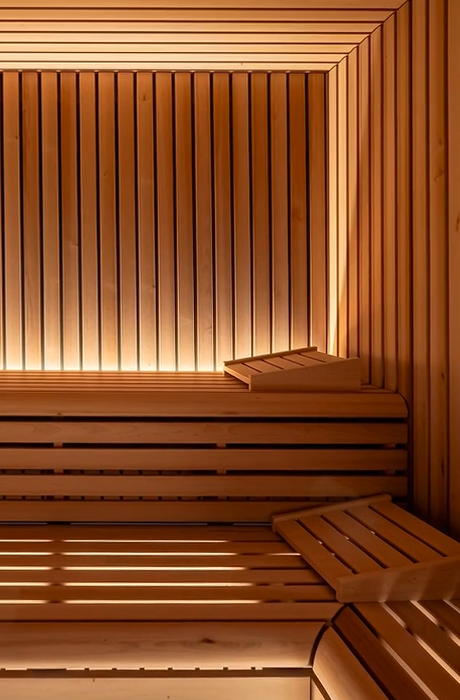
Warm, dimmed lighting enhances relaxation. Position lights to avoid glare—typically high on walls or recessed in ceilings. Some installations incorporate backlit features using LED strips behind timber feature walls, creating atmospheric indirect lighting.
All electrical installations must comply with regulations for high-temperature, high-humidity environments. Only use fixtures specifically rated for sauna use—standard bathroom fittings often cannot tolerate sauna temperatures. For those wanting audio, sauna speakers designed for high-heat environments provide entertainment without compromising safety.
Fixings and Adhesives
Specialised fixings and adhesives ensure your sauna remains structurally sound despite temperature cycling. Standard wood screws and glues can fail under repeated heating and cooling. Stainless steel fixings resist corrosion from humidity and don't rust or stain timber over time.
High-temperature adhesives maintain bond strength at sauna temperatures; standard wood glues can soften or fail above 70°C. Use adhesives specifically formulated for sauna applications for any glued joints or installations.
DIY Sauna Building: Taking Control of Your Project
Many clients choose to build their own saunas, taking advantage of our premium materials whilst controlling installation timing and costs. Our DIY sauna building guide provides comprehensive instructions for self-builders.
Benefits of DIY Sauna Construction
Building your own sauna offers significant advantages beyond cost savings. You maintain complete control over every detail, timber selection, bench height and configuration, heater placement, and finishing touches. The project timeline moves at your pace without coordinating contractor schedules.
Many self-builders report deep satisfaction from creating their own wellness space. The physical work, problem-solving, and gradual transformation from materials to finished sauna creates meaningful connection to the final product. Your sauna becomes not just something you purchased but something you built.
From a practical perspective, DIY construction allows flexible budgeting. Purchase materials as the budget allows, spreading costs over time rather than paying large lump sums. You can also adjust specifications as you build, upgrading specific elements or modifying designs based on what you discover during construction.
Materials and Support for Self-Builders
At Finnmark Sauna, we support DIY builders with the same quality materials used in our professional installations. Our complete sauna wood collection provides everything needed for walls, ceilings, benches, and trim work.
Our team offers free consultations to help plan your build. We'll discuss your space, desired capacity, heater sizing, and material quantities required. This guidance helps avoid common mistakes, such as over- or under-ordering materials, incorrect heater sizing, or inadequate ventilation planning.
Technical questions throughout your build receive prompt responses from our experienced specialists. Whether you're uncertain about bench attachment methods, ventilation placement, or electrical requirements, we're here to help. The goal isn't simply selling materials, it's ensuring you successfully complete a sauna you'll love using.
Read Our Complete Self-Build Guide
Our comprehensive self-build sauna instructions cover every stage of construction:
-
Space planning and preparation.
-
Framing and structural work.
-
Insulation and vapour barrier installation.
-
Wall and ceiling cladding techniques.
-
Bench construction and mounting.
-
Heater selection and installation guidelines.
-
Ventilation system design.
-
Door installation and sealing.
-
Final finishing and details.
The guide includes diagrams, material lists, and troubleshooting advice for common challenges. Whether you're building indoors or outdoors, in a basement or garden, the instructions adapt to various scenarios.
Sauna Accessories: Enhancing the Experience
Once your sauna structure and heating system are sorted, thoughtful accessories transform good saunas into exceptional ones. These items enhance comfort, improve functionality, and help you embrace authentic Finnish sauna traditions.
Essential Sauna Accessories
Traditional wooden buckets hold water for creating löyly, whilst ladles allow controlled pouring over hot stones. The ritual of selecting a ladle, dipping it into fresh water, and releasing steam over glowing stones is central to Finnish sauna culture. Copper or stainless steel buckets offer durability and visual appeal, whilst wooden buckets provide traditional aesthetics.
Sauna Thermometers and Hygrometers
Monitoring temperature and humidity helps you achieve your preferred conditions consistently. Analogue thermometers offer traditional styling and require no power. Digital combination units provide precise readings of both temperature and humidity, helpful for understanding how different löyly techniques affect your sauna environment.
Curved headrests provide comfortable support for reclining on lower benches. Proper neck support allows complete relaxation, letting heat work on tired muscles without physical strain from holding your head up or bending your neck awkwardly.
Traditional hourglasses help you track session length without introducing electronic devices. Most sand timers run 15-30 minutes, ideal session lengths for most bathers. The simple analogue mechanism functions perfectly in sauna heat, where electronic timers might struggle.
Enhancing Ambience and Comfort
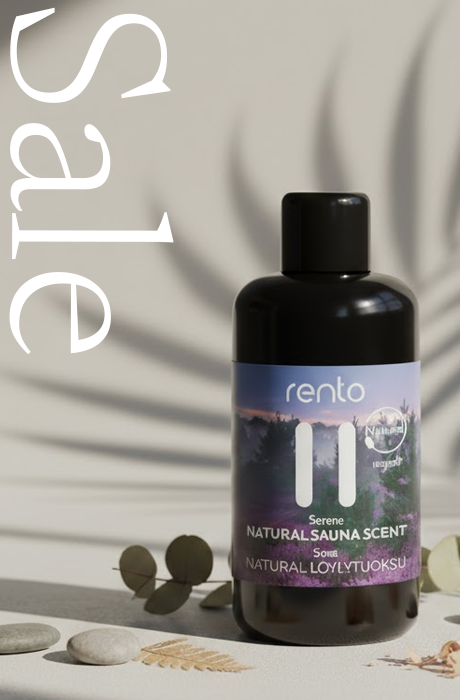
Aromatic oils added to water before pouring on stones release pleasant fragrances throughout the sauna. Eucalyptus provides refreshing, respiratory-clearing scents. Pine and birch oils connect to forest environments. Citrus scents create energising atmospheres. Quality sauna scents use natural essential oils that tolerate high heat without creating acrid or chemical smells.
Traditional Finnish whisks made from birch, oak, or eucalyptus branches enhance circulation and provide gentle exfoliation. The practice involves soaking the whisk in water, then gently beating it against your skin to create a pleasant sensation while releasing beneficial oils from the leaves. Fresh whisks offer the most authentic experience, whilst dried versions store indefinitely and rehydrate in warm water.
Wool felt hats protect your head from the most intense heat, allowing comfortable sessions at higher temperatures or on upper benches. The insulating effect prevents overheating whilst your body benefits from sauna warmth. Beyond functionality, sauna hats have become symbols of sauna culture, with various playful designs available.
Dedicated sauna towels made from lightweight, quick-drying materials work better than standard bath towels. Sit on folded towels rather than directly on timber—this absorbs perspiration, keeps benches cleaner, and protects sensitive skin from hot wood. Comfortable robes for post-sauna relaxation extend the wellness experience beyond the sauna itself.
Linen pillows provide additional head and back support for reclining positions. Seat covers protect benches from excessive wear whilst adding comfort. Both should use natural, breathable materials that tolerate heat and moisture without developing odours or degrading.
Browse our complete sauna accessories collection to outfit your sauna for the ultimate experience.
Maintaining Your Home Sauna
Proper maintenance ensures your sauna remains hygienic, performs optimally, and lasts for decades. Fortunately, saunas require minimal ongoing care when properly built with quality materials.
Regular Cleaning and Care
After each use, leave the door open to allow interior drying. Circulating air removes residual moisture, preventing microbial growth and wood damage. Wipe down benches with a clean towel to remove perspiration and body oils. This simple habit keeps timber clean and prevents odour buildup.
Weekly cleaning involves more thorough bench wiping using mild, sauna-safe cleaners. Avoid harsh chemicals that can absorb into timber or leave residues that release fumes when heated. Specialised sauna cleaning products safely remove oils and dirt without damaging wood or leaving harmful residues.
Sweep or vacuum floors regularly to remove dirt, leaves, or other debris tracked in. For outdoor saunas, particularly, keeping the floor clean prevents moisture retention that could lead to rot or decay.
Periodic Maintenance Tasks
Every few months, inspect your sauna stones. Remove any cracked or crumbled stones and replace them with fresh ones. Rearrange remaining stones to maintain proper airflow around heating elements. This simple task maintains heater efficiency and löyly quality.
Check door seals and weather stripping annually. Damaged or compressed seals reduce heat retention, increasing energy consumption and reducing sauna effectiveness. Replacement seals are inexpensive and easy to install.
Examine timber surfaces for any signs of damage, splits, cracks, or excessive staining. Minor issues caught early prevent larger problems. Most timber issues respond well to light sanding and refinishing with appropriate products.
For outdoor saunas, inspect exterior timber annually. Thermally modified timber requires minimal maintenance, though occasional cleaning is recommended to maintain aesthetics. Some owners apply exterior treatments to preserve colour, though this is optional rather than necessary for structural protection.
Heater Maintenance
Electric heaters require minimal maintenance beyond stone inspection and replacement. Keep the heater area free from debris, lint, or any combustible materials. Ensure adequate clearance around the heater remains unobstructed for proper airflow and safety.
Every few years, have a qualified electrician inspect connections and confirm electrical components remain sound. This preventive maintenance identifies potential issues before they cause failures or safety concerns.
Wood-burning heaters require more active maintenance. Clean ash from fireboxes after several uses. Inspect chimney systems annually for creosote buildup or blockages. Professional chimney sweeping ensures safe, efficient operation whilst reducing fire risk.
Long-Term Care
Quality saunas, built with proper materials, last for decades with minimal maintenance. The timber develops character over time, colour deepens, grain becomes more pronounced, and the space takes on the pleasant patina of age. This natural ageing enhances rather than detracts from the sauna experience.
If you ever need to refresh your sauna's appearance, light sanding removes surface contamination and restores the original colour. Some owners prefer the aged look, finding it adds authenticity to their sauna experience.
Heating elements in electric heaters eventually wear out after years of use. Replacement elements extend heater life significantly. Sauna heater elements are readily available, and replacement is straightforward for competent DIY enthusiasts or any electrician.
Bespoke Sauna Design and Installation Services
Whilst many clients successfully install prefabricated saunas or build their own, others prefer professional design and installation services. Our bespoke sauna service delivers completely customised solutions tailored to your exact requirements.
Indoor Bespoke Saunas
Bespoke indoor sauna installations transform existing spaces into wellness retreats. Whether you're converting a basement room, creating a spa bathroom, or building a dedicated sauna suite, our design team creates solutions that integrate seamlessly with your home's architecture and your lifestyle requirements.
Custom design allows perfect spatial utilisation. Awkward room shapes, sloped ceilings, or challenging dimensions become opportunities for creative solutions rather than limitations. We can incorporate specific bench configurations, window placements, lighting schemes, and material selections that prefabricated units cannot accommodate.
The design process begins with a consultation to understand your goals, assess your space, and discuss aesthetic preferences. Detailed plans and 3D visualisations help you understand exactly how your sauna will look and function before construction begins. Our installation team then builds your sauna using the same premium materials available to DIY builders, ensuring authentic Finnish performance regardless of project scope.
Outdoor Bespoke Saunas
Bespoke outdoor sauna cabins create architectural focal points whilst delivering premium sauna experiences. From intimate garden retreats to expansive wellness buildings with changing rooms and covered relaxation areas, we design and build structures suited to your vision and property.
Outdoor projects offer the most design freedom. Size constraints disappear, allowing generous interiors with multiple rooms, full-height ceilings, and expansive window walls for views. External architectural details like covered porches, integrated seating, and complementary landscaping create complete wellness environments.
Site-specific design accounts for sun orientation, views, existing landscaping, and access requirements. Thoughtful placement maximises privacy whilst creating convenient access from your home. Architectural styling can match your property's aesthetic, contemporary cube designs for modern homes, traditional cabin structures for period properties, or barrel saunas for distinctive, sculptural statements.
Commercial Sauna Projects
Our experience extends to commercial sauna installations for hotels, spas, health clubs, and corporate wellness facilities. These projects demand the same authentic Finnish performance whilst meeting commercial building codes, accessibility requirements, and the durability needed for high-frequency use.
View our case studies to see completed projects ranging from residential installations to large commercial facilities. Each case study showcases different approaches to common challenges and demonstrates how thoughtful design creates exceptional sauna experiences.
Understanding Sauna Costs
The investment required for a home sauna varies significantly based on type, size, materials, and features. Understanding cost components helps you budget appropriately and make informed decisions about where to invest for maximum benefit.
Prefabricated Sauna Costs
Ready-built sauna cabins offer the most straightforward pricing. Barrel saunas typically start around £4,000 for compact two-person models, progressing to £8,000-£12,000 for larger family-sized options with premium features. Cube saunas fall within similar price ranges, though contemporary designs with extensive glazing or architectural details may command a premium.
DIY Build Costs
Self-building provides maximum control over the budget. Material costs for a basic two-person sauna might range from £1,500 to £3,000, depending on timber species and heater selection. Four-person builds typically require £3,000 to £6,000 in materials. Larger custom projects can exceed £8,000 for materials alone if incorporating premium timber, large-capacity heaters, and extensive features.
The cost advantage of DIY comes from eliminating labour whilst allowing you to source materials gradually and make value-based decisions about where to invest. You might choose premium thermally modified timber for benches where you sit, whilst using standard species for wall cladding where performance differences matter less.
Our team provides material quotes for your specific project dimensions and specifications. Free consultation ensures accurate material quantities and appropriate heater sizing, preventing costly over-purchasing or inadequate supplies that delay projects.
Component Costs
Understanding individual component pricing helps when customising your sauna or building DIY:
-
Heaters: Electric sauna heaters range from £400 for basic 4kW units to £2,000+ for premium models with advanced controls and large stone capacity. Wood-burning heaters start around £600 for simple designs, progressing to £2,500+ for large-capacity models with soapstone.
-
Controllers: Basic heater controllers start around £100-£200, whilst advanced, wifi-enabled systems with remote operation range from £400-£800.
-
Timber: Sauna cladding prices vary by species and whether you choose standard or thermally modified timber. Budget approximately £30-£60 per square metre for standard species, £50-£90 per square metre for premium thermally modified options.
-
Doors: Sauna doors range from £400 for basic timber doors to £1,200+ for full-glass designs with premium hardware.
-
Accessories: Budget £200-£500 for essential accessories like buckets, ladles, thermometers, stones, and cleaning supplies. Premium accessories or extensive outfitting can extend this to £1,000+.
Operating Costs
Beyond initial investment, consider ongoing operational expenses. Electric saunas are remarkably efficient. A typical 20-30 minute session in a properly insulated four-person sauna using a 6kW heater costs approximately £0.30-£0.50 in electricity at average UK rates.
For those using their sauna daily, annual electricity costs might be £100-£200. Weekly use reduces this to £50-£100 annually. These modest operating costs mean the primary investment is the initial purchase rather than ongoing operation.
Wood-burning saunas cost even less to operate if you have access to free or inexpensive firewood. Seasoned hardwood provides the best heat and burn characteristics, whilst softwoods work but require more frequent loading.
Maintenance costs remain minimal. Stone replacement every few years costs £30-£80, depending on stone type and quantity. Occasional cleaning products add £20-£40 annually. This is genuinely a set-it-and-enjoy-it investment rather than an ongoing expense.
Health Benefits of Regular Sauna Use
Understanding the health benefits helps justify the investment and motivates consistent use, where the real benefits accumulate. Traditional Finnish sauna bathing has been studied extensively, with research demonstrating numerous physical and mental health benefits.
Cardiovascular Health
Regular sauna use supports cardiovascular function through heat-induced physiological responses. Elevated temperatures increase heart rate and blood flow, creating effects similar to moderate exercise. Your heart works harder to pump blood to the skin's surface for cooling, providing cardiovascular conditioning.
Long-term studies show regular sauna users experience reduced risk of cardiovascular disease, lower blood pressure, and improved arterial health. The combination of heat exposure, relaxation, and consistent routine creates cumulative benefits over time.
Muscle Recovery and Pain Relief
Heat penetration into muscle tissue increases blood flow, delivering oxygen and nutrients whilst removing metabolic waste products. This accelerates recovery after exercise, reduces muscle soreness, and alleviates chronic pain conditions. Many athletes incorporate regular sauna sessions into training routines specifically for recovery benefits.
The deep relaxation induced by heat also reduces muscle tension and spasm. Stress-related tension patterns that accumulate throughout the day dissipate in sauna heat, providing relief from chronic tension headaches, back pain, and similar conditions.
Stress Reduction and Mental Health
Perhaps the most immediately noticeable benefit is profound relaxation and stress reduction. The quiet, warm environment free from digital distractions creates space for mental decompression. Regular sauna users report improved sleep quality, reduced anxiety, and enhanced overall mood.
The ritual aspect matters significantly. Creating dedicated time for sauna bathing establishes routine self-care that many people struggle to prioritise otherwise. The sauna becomes a sanctuary, a place where you're unreachable, where stress remains outside, and where recovery happens.
Skin Health and Detoxification
Profuse sweating cleanses pores from within, removing accumulated oils, dead skin cells, and impurities. Regular sauna users often report clearer, healthier-looking skin. The improved circulation also brings nutrients to skin tissue, supporting cellular health and regeneration.
Whilst "detoxification" claims can be overstated, sweating does eliminate some heavy metals and chemical compounds through skin excretion. The primary detoxification benefit, however, comes from improved kidney and liver function resulting from enhanced circulation rather than sweat itself.
Immune System Support
Emerging research suggests regular heat exposure may support immune function. The artificial fever created during sauna bathing potentially stimulates the immune response, increasing white blood cell production and improving the body's ability to fight infections.
Some regular sauna users report fewer colds and respiratory infections, though this may result from multiple factors, including stress reduction and improved overall health rather than immune response alone.
For comprehensive information about sauna health benefits, read our academic review of sauna health benefits, which examines peer-reviewed research on various aspects of sauna use.
Getting Started: Your Path to Home Sauna Ownership
After absorbing this comprehensive information, you're ready to take concrete steps toward your home sauna. The path from information to installation involves several key stages.
Planning and Consultation
Begin by assessing your space and requirements. For outdoor installations, evaluate potential locations considering sun exposure, privacy, views, and access. For indoor saunas, identify suitable rooms with adequate dimensions, electrical service, and adequate ventilation.
Contact our specialist team for a free consultation. We'll discuss your requirements, assess your space (remotely through photos or site visits for bespoke projects), and provide recommendations on size, heater selection, and material options. This consultation clarifies your path forward, whether you purchase a prefabricated sauna, build a DIY sauna with our materials, or commission a bespoke design and installation.
Browsing Collections and Products
Explore our complete home sauna collection to familiarise yourself with available options. Review barrel saunas, cube saunas, outdoor cabins, and indoor modular options.
For DIY builders, review sauna timber options, compare heater brands and models, and explore construction materials needed for your project.
Read our barrel sauna guide for detailed information about barrel designs, or consult our self-build instructions if planning a DIY project.
Making Your Decision
Once you've identified your preferred approach, secure your sauna through our online store or contact our team directly for bespoke projects. We're available via phone at +44 (0)20 8050 2895, email at info@finnmarksauna.com, or through our contact page.
For those requiring financing, we offer flexible payment options to make premium sauna ownership accessible. Discuss financing during the consultation to understand available terms.
Installation and Beyond
Prefabricated saunas arrive ready for installation. Most can be assembled by competent DIY enthusiasts following the provided instructions, though we also offer professional installation services. DIY builds progress at your pace using our comprehensive build guide and ongoing support from our technical team.
Once your sauna is operational, begin establishing your sauna routine. Start with shorter sessions (10-15 minutes) at moderate temperatures, gradually increasing duration and heat as you acclimate. Experiment with different löyly techniques, try various aromatherapy oils, and discover your preferred rituals.
Join the community of satisfied Finnmark Sauna owners who've transformed their homes into wellness sanctuaries. Your sauna isn't just a purchase—it's an investment in health, relaxation, and quality of life that pays dividends for years to come.
Frequently Asked Questions
How much space do I need for a home sauna?
Minimum dimensions for a functional one-person sauna are approximately 1m x 1.2m x 1.9m high. Two-person saunas typically measure 1.2m x 1.8m, whilst four-person configurations need roughly 1.8m x 2.0m. Remember to allow clearance around the structure for access, maintenance, and (for outdoor installations) visual balance in your garden. Measure your available space carefully and consult with our team to identify saunas that fit comfortably.
Can I install a sauna indoors?
Yes, indoor saunas work excellently in basements, spare rooms, large bathrooms, or garages. Key requirements include adequate ceiling height (minimum 2m, preferably 2.1m or higher), proper ventilation to remove heat and humidity, moisture-resistant flooring, and an appropriate electrical supply for your chosen heater. During consultation, our team provides guidance on ventilation requirements and installation considerations specific to your space.
Do I need planning permission for an outdoor sauna?
In most cases, outdoor saunas fall under permitted development rights and don't require planning permission in the UK. However, there are limitations based on sauna size, proximity to property boundaries, and whether your property is in a conservation area or a listed building. We recommend checking with your local planning authority before purchasing. Our team can provide guidance on typical requirements, though final responsibility for compliance rests with the property owner.
What type of heater should I choose?
Electric heaters offer convenience, precise control, and clean operation, ideal for most home installations. Wood-burning heaters provide authentic ambience and are excellent for remote locations or when you want the traditional fire-tending experience. Your choice depends on available utilities, personal preferences, and whether you value convenience over tradition. Read our heater buyer's guide for detailed technical guidance.
How long does a sauna take to heat up?
Heat-up time depends on sauna size, insulation quality, outdoor temperature (for outdoor saunas), and heater capacity. Properly sized heaters in well-insulated saunas typically reach operating temperature in 30-45 minutes. Smaller saunas heat faster; larger cabins take longer. Pre-heating your sauna remotely using smartphone-controlled heaters ensures it's ready when you are, eliminating waiting time.
What timber species is best for saunas?
Aspen and alder are excellent all-round choices offering low resin content, comfortable touch, and pleasant aesthetics. Thermally modified timber provides enhanced stability and durability, particularly important for outdoor installations. Cedar works well for exterior cladding due to natural weather resistance, though its aromatic oils are polarising for interior use. The "best" choice depends on your aesthetic preferences, budget, and whether you're building indoors or outdoors.
How much does it cost to run a sauna?
Running costs are surprisingly modest. A typical 30-minute session in a four-person sauna with a 6kW electric heater costs approximately £0.30-£0.50 in electricity at average UK rates. Daily use might add £100-£200 to annual electricity bills; weekly use costs roughly £50-£100 annually. Wood-burning saunas cost even less if you have access to inexpensive or free firewood. The primary investment is the purchase price rather than the ongoing operation.
Can I build my own sauna?
Yes, many customers successfully build their own saunas using our premium materials and guidance. DIY building offers cost savings, complete control over details, and the satisfaction of creating your own wellness space. We provide comprehensive self-build instructions, free design consultation, accurate material quantity calculations, and ongoing technical support throughout your project. Whether you're a skilled craftsperson or enthusiastic amateur, we'll help you succeed.
What maintenance does a sauna require?
Saunas are remarkably low-maintenance. After each use, leave the door open for drying. Weekly, wipe benches with mild cleaners. Every few months, inspect and replace damaged sauna stones. Annually, check door seals and examine timber for any issues. That's essentially it. Quality saunas built with proper materials last for decades with minimal intervention beyond basic cleaning. View our sauna cleaning products for appropriate maintenance supplies.
What temperature should a sauna be?
Traditional Finnish saunas operate between 70°C and 90°C (160°F to 195°F). Most users find 75-80°C ideal for regular sessions. Start at lower temperatures (65-70°C) whilst acclimating, gradually increasing as you become comfortable. The upper bench is hottest; the lower benches provide gentler heat. There's no single "correct" temperature—it's entirely personal preference. Experiment to find what feels best for you.
How long should I stay in a sauna?
Typical sessions last 15-20 minutes, though experienced users may extend to 30 minutes or longer. Begin with shorter sessions (8-10 minutes) whilst acclimating to the heat. Listen to your body—if you feel dizzy, nauseous, or uncomfortable, exit immediately. Many people prefer multiple shorter sessions with cooling breaks between rather than single extended sessions. The traditional Finnish approach involves 15-20 minute heat phases alternated with cooling and rehydration.
What do I wear in a sauna?
Traditional Finnish culture involves nude bathing, sitting on a folded towel for hygiene and comfort. However, what you wear is entirely personal preference. Many people wear swimsuits, especially when bathing with others or family. Light, loose cotton clothing is acceptable, though synthetic fabrics should be avoided as they trap heat uncomfortably and may release fumes. Remove all jewellery and metal objects before entering, as they can become uncomfortably hot.
Can children use saunas?
Yes, children can safely enjoy saunas under appropriate supervision and with adjusted temperatures. Finnish families introduce children to sauna culture from infancy. Start with lower temperatures (60-65°C) and shorter sessions (5-10 minutes). Never leave children unattended in saunas. Ensure they stay hydrated and can exit freely if uncomfortable. The sauna becomes a family wellness ritual that children often embrace enthusiastically.
How do I create steam in a traditional sauna?
Löyly (steam) is created by ladling water onto hot sauna stones. Use a wooden ladle to pour water from a sauna bucket onto the heated stones above your heater. The water instantly flashes to steam, temporarily raising humidity and intensifying the heat sensation. Start with small amounts (one or two ladles) and wait for the steam to dissipate before adding more. You can add sauna scents to the water for aromatherapy benefits.
Do you offer installation services?
Yes, we provide professional installation services for prefabricated saunas throughout the UK. For bespoke indoor saunas and custom outdoor cabins, complete design and build services are included. DIY purchasers receive comprehensive instructions and ongoing support. Contact us to discuss installation options specific to your situation and location.
What warranty do saunas come with?
Warranty terms vary by product and manufacturer. Most structural components carry 1-3 year warranties, whilst heaters typically include 2-5 year coverage depending on brand. We stand behind every product we sell with responsive customer service and technical support. Specific warranty details are provided with each product. Contact our team with any questions about warranty coverage for specific items you're considering.
Can I finance my sauna purchase?
Yes, we offer finance options to make premium sauna ownership accessible. Various plans are available depending on the purchase amount and your requirements. Contact our team to discuss financing during the consultation. We'll explain available terms and help you identify the most suitable arrangement for your situation.


